Hey there, if you’ve ever stopped to stare at one of those zippy electric trikes zipping around town – whether it’s loaded up with groceries, doing door-to-door deliveries, or hauling a small crew to a local market – you’ve probably wondered what makes those three wheels hum like that. As someone who’s been in the electric tricycle game for years (supplying ’em left and right, no fancy corporate stuff here), I get this question a ton. Most folks think it’s just some random motor, but nah – there’s actual science behind why the motors we pick (and the ones we tell our customers to go for) make all the difference between a trike that dies mid-trip and one that runs like a champ for years. Let’s break this down like we’re chatting over a coffee, no stuffy jargon that’ll make your eyes cross. Electric Tricycle

First off, let’s cut to the chase: the vast majority of electric tricycles these days use one of two main motor types – hub motors or mid-drive motors. Yeah, I know, sounds like techy terms, but stick with me. Hub motors are the ones built right into the center of a wheel, right? Like, you don’t see ’em – they’re hidden inside the rear wheels (or sometimes front, but rear is way more common for trikes) of the trike. Mid-drive motors, on the other hand, sit right where your pedals would be, near the bottom bracket of the frame. Both have their perks, and we pick one over the other depending on what a customer needs – that’s the supplier side of things, you know? We don’t just stock whatever’s cheap; we match the motor to the job.
Let’s start with hub motors ’cause they’re the bread and butter for most casual users, and honestly, for a lot of our delivery customers too. What’s cool about hub motors is they’re low-maintenance as hell. No extra chains or gears to mess with, no need to align anything regularly – they’re sealed up inside the wheel, so rain, dirt, or even a little mud splatter doesn’t mess ’em up. For small business folks doing food deliveries or errand runs out here, that’s huge. You don’t wanna be fixing your motor on a busy street at 8 a.m. when you’ve got 50 orders to drop off. These motors are usually brushless DC (BLDC) too – that’s the techy part, but here’s the plain English: no brushes rubbing together, so less wear and tear, quieter operation, and way longer life. We’re talkin’ 10,000+ miles before you even think about servicing ’em. That’s a big deal. Now, there are two types of hub motors: geared and gearless. Geared hub motors have little gears inside that help boost torque – that’s the pulling power, right? So if you’re hauling a heavy load up a small hill, geared hubs are your go-to. Gearless ones are simpler, smoother, but not as strong for steep inclines or heavy cargo. Most of our trikes for general use get geared hub motors, but if someone’s just cruisin’ around flat neighborhoods and only hauling light stuff, gearless works fine.
But wait, what about mid-drive motors? We don’t use these for every single trike we send out, but they’re a game-changer for folks who need more oomph, especially if they’re carryin’ super heavy loads or climbin’ big hills. Mid-drive motors connect to the bike’s existing chain and gears, so they use the trike’s own gear system to adjust power. That means if you’re in a low gear, the motor gives you tons of torque to haul 500 pounds of supplies up a steep road, and in a high gear, it cruises at a steady speed without wasting battery. The downside? They’re a bit more high-maintenance – you gotta check the chain and gears now and then, and they’re a touch pricier. But for our customers who do construction runs or hauling big shipments, that extra power is worth every penny. Plus, mid-drive motors weigh less (they’re closer to the center of the trike, so better balance) which is nice for stability when you’re loaded up.
Now, you might be thinkin’ – “what about wattage? That’s a big number I see on specs!” You’re not wrong, but let’s not get obsessed with the biggest wattage. For casual riding and light loads, a 250-watt motor works fine on flat ground, maybe 350 if you live where there are hills. But if you’re hauling heavy cargo or climbin’ steep stuff, you want at least 500 watts, and some of our delivery trikes even go up to 750 watts – that’s enough power to haul a full motorcycle’s worth of stuff without breaking a sweat. Important to note: wattage isn’t everything. A crappy 1000-watt motor will still suck compared to a good 500-watt one. We only work with motors from reputable manufacturers, so we know the wattage is real, not just a number they’re throwin’ on the box to trick folks.
Battery ties into this too, right? The motor and battery have to play nice. A powerful motor needs a decent battery to keep up, but you don’t wanna waste money on a huge battery if your motor’s tiny. For hub motors, we usually match a 36V or 48V battery depending on the trike – 36V for light use, 48V for heavier loads. Mid-drives usually need 48V or even 52V to handle that power. It’s a whole system, not just one part.
Wait, let’s talk about real-world examples ’cause that’s what matters. Last month, we sold a batch of 20 trikes to a local catering company. They needed trikes that could haul big coolers and stacks of plates to outdoor events, and they had to go over some pretty hilly roads. We went with 500W geared hub motors for those – perfect balance of torque, low maintenance, and enough power for their loads. A couple weeks later, we sold a few trikes to a guy who runs a landscaping business, and he needed something that could carry tools and mulch up steep driveways to job sites. We recommended mid-drive motors there – the gear system let him adjust power so he didn’t drain the battery halfway through the day, and the center weight made the trike easier to handle when he’s loaded down with heavy stuff. That’s the stuff we love as suppliers – matching the motor to what the customer actually needs, not just selling the most expensive option.
Now, let’s get into some common mistakes people make when pickin’ an electric trike motor. First, thinkin’ more wattage = better. If you’re cruisin’ around a flat suburban area and only hauling a kid or a few bags of groceries, a 250W motor is totally enough. A 1000W motor is just gonna be heavier, more expensive, and waste more battery. Second, ignorin’ maintenance. Hub motors are low-maintenance, but they still need a quick check now and then – make sure the wheel’s tight, no dirt build-up around the seal. Mid-drives need chain lubing and gear adjustments, so if you’re not handy with tools, maybe stick to hubs. Third, not thinkin’ about load and terrain. If you live in San Francisco or Denver, hills are non-negotiable – you need a motor with good torque, either a geared hub or mid-drive. If you live in Miami or Dallas, flat, geared hubs will serve you great.
Another thing: efficiency. Good motors don’t waste electricity. A inefficient motor will kill your battery life way faster than a good one, which means fewer trips between chargers, more money in your pocket. We test every motor we stock for efficiency – if a customer tells us they need their trike to run 40 miles on a single charge, we’ll point ’em to our hub motors that hit that mark, not some knockoff motor that dies at 25 miles. No cutting corners here.
Wait, what about brushed motors? Yeah, those still exist, but not much in modern electric trikes. Brushed motors are cheaper, but the brushes wear out fast, they’re noisier, and less efficient. We stopped stocking trikes with brushed motors years ago – customers started complainin’ about them dying too soon, and we didn’t wanna be sellin’ junk. BLDC (brushless) is the standard now, and for good reason.
Let’s chat about durability too. These trikes are used hard – delivery drivers are out in the rain, snow, heat, hauling heavy stuff day in and day out. The motor has to take that. We pick motors that are IP-rated, right? That’s the water and dust resistance rating. Most of our hub motors are IP65 – that means they’re totally protected from dust and can handle low-pressure water jets, so if you ride through a puddle or get caught in a light rain, no problem. Mid-drives are usually IP54, which is still good, just not as tough as hubs for deep water or constant dirt. For our customers who work in all weather, we go with IP65 hubs every time.
Now, I know a lot of folks ask: can I upgrade my trike’s motor later? Technically, yes, but it’s not always worth it. If you have a basic hub motor trike and wanna turn it into a heavy hauler, you might be able to swap in a more powerful hub motor, but you gotta make sure it fits the wheel size and frame. If you have a mid-drive, you can swap for a different mid-drive, but it’s a bigger job – you gotta adjust the frame, the chain, the battery. Most of our customers just pick the right motor upfront, ’cause upgrading is a pain and costs almost as much as gettin’ a new trike. That’s why we take the time to ask ’em about their usage, load weight, terrain – we don’t just sell ’em a trike and ghost ’em. We’re here for the long haul.
Let me wrap this up like we’re at the end of our chat. At the end of the day, the best motor for your electric tricycle isn’t the fanciest or most expensive one – it’s the one that fits what you’re gonna use it for. Casual rider? Geared hub motor, 250-350W, IP65, you’ll be set. Delivery pro or someone hauling heavy loads up hills? 500W+ geared hub or mid-drive, depends on your maintenance skills. Landscaper, caterer, someone who lives in hilly areas? Mid-drive’s gonna make your life way easier.
If you’re in the market for an electric tricycle – whether for personal use, a small business, or a fleet for your team – we’ve got you covered. We don’t sell one-size-fits-all trikes; we walk you through the motor options, the wattage, the maintenance, whatever you need to know. No pushy sales stuff, just straight answers and trikes that work as hard as you do. If you’re lookin’ to grab one or a batch for your business, hit us up to chat more about what you need. We can even hook you up with custom options if you need something specific.
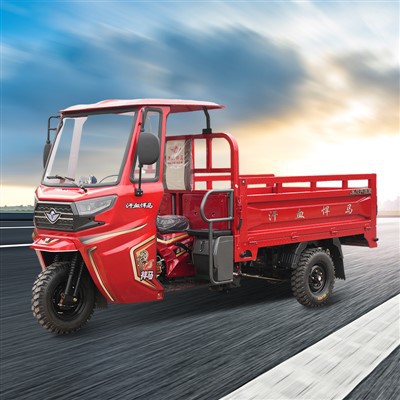
And before I sign off, just a quick note – do your research, don’t fall for the big wattage hype, and always go for reputable motors. A good motor is the heart of your electric trike, so treat it right, and it’ll treat you right. Alright, that’s my two cents on trike motors. Hope this helps next time you’re shoppin’ – or if you already own one, now you’ll know why it hums like that.
175cc Loading Tricycle References:
- Electric Vehicle Motor Technology: Types, Performance, and Applications, International Energy Agency, 2022
- “Choosing the Right Electric Tricycle Motor for Cargo and Terrain,” Electric Transportation Journal, Vol. 14, No. 3, 2023
- Brushless DC Motors for Light Electric Vehicles: Efficiency and Durability Analysis, Journal of Power Sources, Vol. 512, 2021
- IP Rating Standards for Light Electric Vehicle Components, National Highway Traffic Safety Administration, 2022
Chongqing Hanxuehanma Industry Co., Ltd.
As one of the most professional electric tricycle manufacturers and suppliers in China, we offer a wide range of products with superior quality. Please feel free to wholesale advanced electric tricycle made in China here from our factory. Customized orders are welcome.
Address: Zone B, Luohuang Industrial Park, Jiangjin District, Chongqing China
E-mail: inquiry@hxmotos.com
WebSite: https://www.hxmotos.com/
