If you work in industrial automation, manufacturing, or any field that relies on precise position feedback, linear displacement sensors are the unsung heroes keeping operations running smoothly. I’ve been supplying these sensors to production lines, robotics labs, and heavy equipment manufacturers for over a decade, and the number one question I get from maintenance teams and plant managers isn’t about calibration or wiring—it’s about how to clean a linear displacement sensor correctly. Do it wrong, and you’re looking at premature wear, erratic readings, or a full sensor replacement that costs downtime and cash. Do it right, and you can extend your sensor’s lifespan by years. Let’s break this down step by step, based on what I’ve seen work (and what’s cost plant owners thousands to fix when it doesn’t). Linear Displacement Sensor
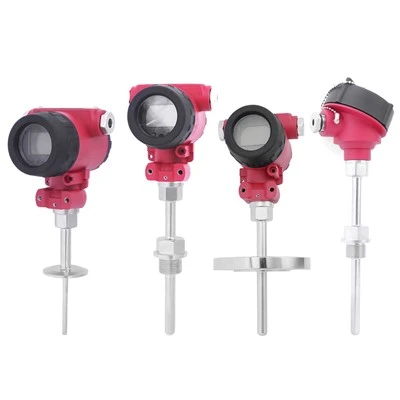
First, let’s get clear on what a linear displacement sensor is and why dirt is its kryptonite. Most of the sensors I supply fall into two main categories: magnetostrictive and potentiometric, which make up 90% of the units we ship. Potentiometric sensors have a conductive wiper that slides along a resistive track inside the housing; if dust, metal shavings, oil, or coolant builds up between the wiper and track, it creates a layer of contamination that alters the electrical signal, leading to incorrect position readings. Magnetostrictive sensors, which use a permanent magnet for position feedback instead of a wiper, still need a clean housing and rod: debris on the sensing rod can throw off the magnet’s alignment, and grime in the electronic housing can cause overheating or signal loss. That’s why cleaning these sensors isn’t just a “once a year” chore—it’s a routine maintenance step that ties directly to your production’s uptime.
Before you grab a rag and start scrubbing, there are two non-negotiable pre-cleaning steps that I emphasize to every client. Skipping these is how even experienced techs damage perfectly good sensors. First, power the sensor down and disconnect all wiring. I can’t tell you how many times a technician has walked away with a fried sensor because they tried cleaning it while it was still connected to the PLC or power supply. Even a small static discharge, or a stray electrical signal from the active sensor, can damage internal components. Second, verify the sensor’s rating: not all sensors are the same. Some are IP67-rated for washdown environments, meaning they can handle high-pressure water, while others are IP54-rated, which only protects against dust splashes. Cleaning a low IP-rated sensor with a high-pressure spray is a fast track to water damage inside the housing. If you’re unsure, pull the sensor’s datasheet (we include these with every shipment we send out) or reach out to our team for confirmation—we’re happy to walk you through your specific model.
Now, let’s get to the actual cleaning process, broken down by sensor type, since potentiometric and magnetostrictive units require slightly different care. Let’s start with potentiometric sensors, the most common type in heavy machinery and older production lines.
For potentiometric sensors: First, remove the sensor from its mounting if possible. Most are mounted with bolts or clamps, and taking it out makes it easier to access the sensing rod and housing without accidentally bending the rod (a bent rod is a guaranteed failure for potentiometric sensors, as it throws the wiper’s alignment off). Once removed, inspect the sensing rod first—this is the long, smooth rod the wiper slides along. For light contamination (dry dust, loose metal shavings), use a lint-free microfiber cloth lightly dampened with isopropyl alcohol (90% or higher is best; lower concentrations leave water residue). Wipe the rod in one direction only, from one end to the other, not back and forth. Back and forth wiping can push debris into the wiper-track gap, which is the last thing you want. For stubborn, oily grime, a small amount of electrical contact cleaner (not regular degreaser—regular degreaser can leave a film that interferes with conductivity) applied to the cloth works well. Never use steel wool, abrasive pads, or paper towels on the rod—paper towels have wood fibers that can scratch the rod’s surface, and abrasives will wear down the wiper track faster.
Next, clean the sensor’s housing. Wipe the exterior with a dry microfiber cloth first to remove loose dust, then use a slightly damp cloth with mild dish soap (avoid harsh chemicals like bleach or ammonia, which can degrade plastic or rubber housing components). If the housing has vents or small openings, be careful not to let water or cleaner seep inside—some potentiometric sensors have exposed internal wiring, and moisture here can cause shorts. If the wiper itself is accessible (some sensors have a removable end cap that lets you pull the wiper out), clean it gently with a cotton swab dampened with contact cleaner. Don’t twist or pull too hard on the wiper; if it’s stuck, don’t force it—call our support team, we’ve seen techs break wipers and end up needing a full sensor replacement for $800 just because they tried cleaning without knowing how to access the wiper.
Now, for magnetostrictive sensors, which are increasingly popular in precision robotics and medical equipment because they have no sliding wiper, so lower maintenance. While they don’t have a wiper, their sensing rod is usually coated with a protective layer (nickel chrome or Teflon) that’s easy to scratch, so cleaning has to be gentler. First, confirm the sensing rod is straight—if it’s bent, don’t clean it; a bent rod will cause the position magnet to drift, and cleaning can make misalignment worse. For most magnetostrictive sensors, you can clean the rod in place without removing it, but if you do remove it, lay it on a soft foam surface to avoid scratching. Use a lint-free cloth dampened only with distilled water (no alcohol, no solvents—alcohol can break down the protective coating on the rod over time). Wipe in one direction, again, to avoid pushing debris into gaps. For metal shavings that stick, a plastic tweezer (not metal, which can scratch) is safe to pick them off gently. For the housing, magnetostrictive sensors often have more robust electronics, so you can use a damp cloth with mild soap, just make sure to dry it thoroughly before reconnecting power. One common mistake here: don’t use compressed air to blow out debris. Compressed air can have moisture or oil in it, and blowing it into the housing can push contaminants deeper inside or damage delicate circuit boards.
Once you’ve cleaned the sensor, there are a few post-cleaning checks that I recommend to avoid issues after putting it back in service. First, re-inspect the rod and housing to make sure no debris was left behind. Second, if you removed the sensor, re-mount it carefully, making sure the alignment is correct—for linear sensors, even a 1mm misalignment can cause position errors. Third, power on the sensor without connecting it to the machine or PLC first, if possible. Test its output with a multimeter or our sensor test tool (we can supply these to clients who don’t have their own) to make sure readings are within the calibrated range. If the readings are erratic after cleaning, don’t panic—sometimes a small piece of debris was left, or the wiper shifted slightly. Disconnect power again, re-clean the rod, and test again. If it still isn’t reading correctly, reach out to our team; we can help troubleshoot, and we offer calibration and repair services for sensors that have minor issues.
I also want to cover a few do’s and don’ts that I’ve learned from years of supplying sensors to industries like food and beverage, where washdown is constant. Don’t clean a sensor with a high-pressure washer unless it’s rated for it—even IP67 sensors can have seals that wear out over time, so annual seal checks are a good idea. Don’t use any cleaning products that are not compatible with the sensor’s housing material: many industrial sensors have plastic housings that can be degraded by citrus-based degreasers or strong acids. Do schedule cleaning based on your environment: if your production line generates a lot of metal shavings or fine dust, clean the sensor every 3 months. If it’s in a clean, climate-controlled lab, twice a year is enough.
I’ve seen first-hand how a small, missed cleaning step can cause a shutdown that costs a manufacturer tens of thousands of dollars in lost production. Last year, a client in the automotive industry had a potentiometric sensor on their assembly line fail because they skipped cleaning the rod for 18 months—metal shavings had built up between the wiper and track, so the sensor was reporting the wrong position, and 200 car frames had to be reworked. Replacing that sensor would have cost $450, but the downtime cost them $12,000. That’s why proper cleaning is such a critical maintenance step.
If you’re not sure which type of linear displacement sensor you’re using, or if you need guidance on cleaning a specific model you have, our team is here to help. We design and supply a wide range of linear displacement sensors for industrial, robotics, and medical applications, and we don’t just sell units—we provide ongoing support to make sure they work for you. Whether you need tips on routine maintenance, replacement parts, or help troubleshooting a sensor, we’re ready to assist. Reach out to us to discuss your sensor needs, get custom recommendations, or place an order for high-quality, long-lasting linear displacement sensors.
Mercury Free Melt Pressure Transmitter References
- Sensor Technology Institute. (2022). Industrial Linear Displacement Sensor Maintenance Best Practices.
- National Institute of Standards and Technology (NIST). (2021). Contamination Effects on Precision Position Feedback Devices.
- Automation World. (2023). Routine Cleaning and Care for Linear Sensors in Manufacturing Environments.
- International Electrotechnical Commission (IEC) Standard 60529:2013. Degrees of Protection Provided by Enclosures (IP Code).
Shanghai Zhaohui Pressure Apparatus Co., Ltd.
Shanghai Zhaohui Pressure Apparatus Co., Ltd. is one of the most professional linear displacement sensor manufacturers and suppliers in China, featured by quality products and good service. Please rest assured to wholesale advanced linear displacement sensor in stock here from our factory. Also, customized service and 1 year warranty are available.
Address: 2-6/F, Building 8, No.115, Lane 1276, Nanle Road, Shanghai, China
E-mail: sensorsales@zhyqsensor.com
WebSite: https://www.sinosensor.net/
