Hey there, if you’ve ever shipped a fragile item like a laptop, a glass vase, or even a fresh batch of avocados, you’ve probably unboxed it to find that squishy, white, bubble-like packing material—EPS foam, right? But behind every piece of that foam is something most folks never see: EPS machinery. As someone who’s been supplying this gear to packaging teams around the world for over a decade, I get the question all the time: “Wait, what exactly is EPS machinery, and why does it matter so much for how packaging works these days?” Let’s break this down without the stuffy jargon, no AI-speak here—just real talk from someone who’s fixed, sold, and troubleshooted these machines more times than I can count. EPS Machinery
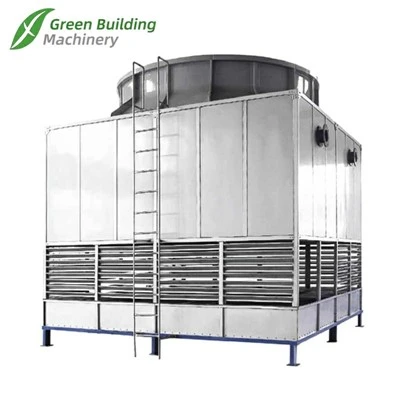
First off, let’s nail the basics: EPS stands for Expanded Polystyrene, that’s the same lightweight, impact-resistant stuff we’re talking about. EPS machinery is the whole set of tools that turns tiny polystyrene beads into those custom foam pieces you see in packaging. Think of it like baking a cake—except instead of flour and eggs, you’re using raw polystyrene pellets, and instead of an oven, you’ve got a machine that uses heat, steam, and pressure to puff those beads up, shape them into molds, and turn them into usable packaging parts. It’s not a single machine, either—there’s a whole line of equipment, each step doing a specific job. I’ve seen new packaging owners think they can grab one cheap machine and call it a day, but skip a part, and their whole process breaks. That’s where I come in—making sure you’ve got every tool you need, no gaps.
Let’s walk through the process like I’m showing you our workshop floor. First, you start with the raw material: small, hard polystyrene beads, like tiny, round plastic pellets. Before they even hit the shaping machine, you’ve got a pre-expander. This is the machine that blows those beads up to 40-50 times their original size. How? They mix the beads with a little pentane gas (it’s a harmless, natural hydrocarbon that acts like a tiny expanding agent) and blast them with low-pressure steam. The heat makes the pentane turn to gas, puffing each bead up into a light, foam-like ball. It’s kind of like blowing up a bubble wrap bubble, but for 100,000 beads at once. I always tell new clients: get a pre-expander with a consistent steam flow, and you’ll cut your waste by half. I’ve seen folks skimp on this part and end up with lumpy, uneven beads that make bad packaging—total headache.
Next, once your pre-expanded beads are cool and dry, they need to “condition” for a few hours. That’s not a machine step, but if you rush it, your final product will shrink. Then comes the big one: the molding machine. This is where you turn loose beads into a specific shape, like a custom insert for a TV box or a lid for a cooler. The molding machine works by clamping two metal molds (think of them like giant, precision cookie cutters) around a cavity. Then it injects the pre-expanded beads into the cavity, blasts short bursts of steam through tiny holes in the mold. The heat makes the beads soften, fuse together, and take the exact shape of the mold. After a few seconds, it pulls the steam, blows cold water to cool the foam, and opens the mold—out pops your finished packaging piece. It’s satisfying to watch, I won’t lie. I’ve had clients come visit the shop and stand there for 10 minutes just watching that mold open.
Wait, but what if you need something a little bigger, like a big block of EPS for industrial insulation or a shipping pallet? Then we’ve got block molding machines, which are basically the same idea but make giant, rectangular blocks instead of custom shapes. And if you’re making smaller, consumer-facing packaging, there’s also cutting machines—shaping those big blocks into exact sizes, like the thin sheets you might line a moving box with.
Now, why does this matter for the packaging industry specifically? Let’s be real—packaging isn’t just about protecting stuff anymore. It’s about being cost-effective, light enough to cut shipping costs, and eco-friendly where you can. EPS machinery is key to all three. First, lightweight: a foam insert from EPS weighs almost nothing, so when you ship a product, you pay for less weight, which is a huge win for e-commerce brands that ship thousands of orders a day. I’ve had a client tell me switching to custom EPS packaging cut their shipping costs by 22%—that’s real numbers. Second, protection: EPS has that cushioning that absorbs impact way better than cardboard for fragile items. A broken TV is a huge cost, and EPS almost eliminates that risk, which means less returns, happier customers.
Then the eco part—we can’t ignore that, right? Years ago, people thought EPS was just garbage, but modern EPS machinery lets you reuse and recycle way more than you think. Our machines have closed-loop systems now, so you can cut leftover foam blocks into small bits and melt them back down into new beads, instead of throwing them away. Plus, EPS is 100% recyclable, and a lot of brands are switching to closed-mold processes that use less water and steam, so they’re cutting energy use too. I work with a food packaging brand that switched to our energy-efficient molding machines, and they cut their water use by 30% last year—they still text me about that.
But here’s the thing: not all EPS machinery is the same. I’ve seen cheap machines from overseas that break every six months, leave you with lumpy beads, or use way too much energy. As a supplier, I don’t just sell you a machine and vanish. I’ve got a team that does on-site installation, training for your workers, and 24/7 support if something goes wrong. Last year, a client in Ohio had their molding machine go down on a Friday night—their weekend shipment was at risk. My guys were there by 8 a.m. Saturday, fixed it in an hour, and saved them from losing a big retail order. That’s the stuff that matters, not just a box with a machine in it.
Let’s talk about common mistakes I see new packaging businesses make. First, buying a machine that’s too small for their needs. If you’re shipping 500 orders a day, a tiny desktop machine isn’t going to cut it—you’ll be working 12-hour days just to keep up. Second, skipping maintenance. EPS machinery works with steam, so you’ve got to keep the lines clean, check the mold for clogs, and calibrate the pre-expander regularly. I send all my clients a free maintenance checklist every quarter, and a lot of them tell me that’s what keeps their machines running for 10+ years instead of 2. Third, not customizing the mold. If you use a one-size-fits-all foam insert, you’re wasting a ton of material. My team works with your design team to make a mold that fits your exact product, so you use every bead, no scraps left over. That’s how you save money long-term.
Now, what’s next for EPS machinery? The packaging industry is shifting to more sustainable stuff, right? We’re working on machines that use 50% less energy than standard models, and can even make biodegradable EPS from plant-based materials instead of petroleum. I’ve been testing a prototype for a pre-expander that uses 100% recycled beads, and the results are great—still just as strong, way better for the planet. A lot of brands are asking for this, so it’s not just a trend, it’s what’s needed.
If you’re here, that probably means you’re either starting a packaging business, looking to upgrade your current setup, or just tired of dealing with flimsy foam that breaks too easily. Let’s be clear: I’m not here to pressure you into buying the most expensive machine. I’m here to listen to what you need—how many orders you’re shipping, what products you’re protecting, your budget—and point you to the right gear, or even just give advice if you’re still figuring things out. Last month, a small craft brewer hit me up because they were packaging glass bottles and their old foam kept breaking. I walked them through a low-cost mold upgrade that cost a quarter of a new machine, and now their breakage rate is down to 1%. That’s the stuff I love—helping people solve problems, not just sell a product.
Wait, let’s make sure we’re not missing anything. Let’s recap: EPS machinery is a whole system of tools (pre-expanders, molding machines, cutting gear) that turns polystyrene beads into custom foam packaging. It’s vital because it makes lightweight, protective, cost-effective packaging that’s also getting greener all the time. The right machinery can save you money on shipping, reduce waste, and keep your customers happy when their products arrive safe.
I get it, technology can feel overwhelming. I’ve had clients come in who have zero experience with foam machinery, and we walk through every single step. We explain what a pre-expander does, why mold quality matters, how to adjust steam pressure for different products. No question is too small. If you’re someone who’s tired of dealing with flimsy, inconsistent foam, or struggling to keep up with order volume, let’s chat. I don’t do hard sells—if our gear isn’t a fit, I’ll tell you straight, and point you to something that works. That’s how we’ve built relationships over the years, not just sales.
At the end of the day, packaging is about trust. When a customer gets their item unbroken, they remember that. When you’re the one making that happen, you want the machinery behind you to be reliable, flexible, and able to grow with your business. That’s what I bring to the table—machinery that works, support that’s there when you need it, and advice that’s actually useful, not just jargon.
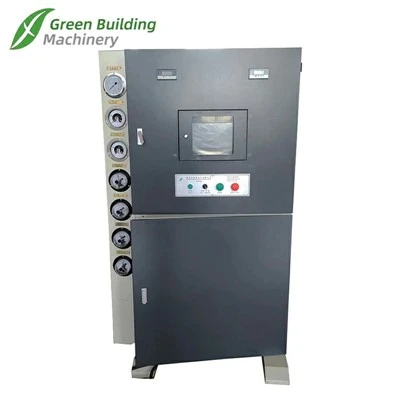
So if you’re in the market for EPS machinery, or even just curious about how it could help your packaging process, reach out. We can talk through your needs, go over options, and make sure you don’t waste your money on something that doesn’t fit. I’m here to help, not to sell. Let’s make your packaging better, together.
EPS Raw Material References:
- Polystyrene Packaging Council. (2023). EPS Machinery and Sustainable Packaging Practices.
- International Society of Packaging Professionals. (2022). The Role of Expanded Polystyrene in Modern Packaging Manufacturing.
- Global Packaging Machinery Association. (2024). Energy Efficiency Standards for EPS Production Equipment.
Jinhua Green Building Imp. and Exp. Co., Ltd.
Jinhua Green Building Imp. and Exp. Co., Ltd. is one of the most reliable EPS machinery manufacturers and suppliers in China, also supports customized service and 1 year warranty. Please feel free to wholesale bulk CE approved EPS machinery from our factory. Welcome to contact us for quotation and free sample.
Address: No. 2 Huilan Road, Lanjiang Street, Lanxi City, Jinhua City, Zhejiang Province
E-mail: sally@cngreenindustry.com
WebSite: https://www.greenepsmould.com/
