If you’ve ever looked under the dashboard of a compact car, peeked behind the touchscreen in a portable medical device, or even pulled apart the control panel of a modern outdoor power tool, you’ve probably run into a low voltage cable harness assembly—even if you didn’t know what it was. For decades, I’ve supplied these harnesses to manufacturers across industries, and I can’t tell you how many times a client has called me with a vague question: “Is this just a bunch of wires tied together?” The short answer is yes, but the long answer is what makes these parts the quiet backbone of almost every device that runs on electricity at the lower end of the spectrum. Let’s break it down, why it matters, and why getting it right makes all the difference for your end product. Cable Harness Assemblies
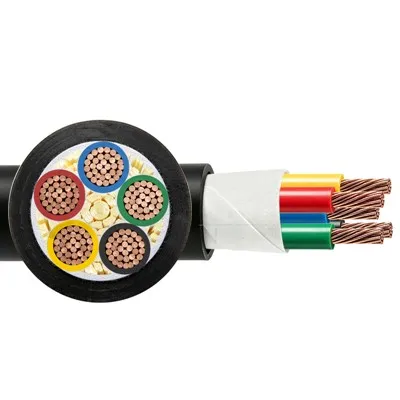
First, let’s set a clear definition: a low voltage cable harness assembly is a customized, engineered set of insulated wires, terminals, connectors, and protective covering designed to transmit electrical power or low-level signals (usually 50 volts or less, as defined by global electrical safety standards) between components in a device. Unlike a loose bundle of wires you might grab from a hardware store, a harness isn’t just random strands twisted together. It’s a precision-built system, tailored to the exact layout of whatever it’s powering.
I learned the difference between a loose wire bundle and a proper harness early on in my time in this industry. Back when I first started working with small electronics manufacturers in the early 2000s, a client came to me with a prototype for a portable glucose monitor. They’d thrown together a mess of 24-gauge wires, strip the ends, and twisted them to connect the screen, battery, and sensor module. It worked—sort of. But during testing, every time the monitor was jostled in a patient’s pocket, a twisted wire would slip, the signal would cut out, and the device would shut off. They tried tape, then shrink wrap, but nothing held up to daily use. That’s when I explained: what they needed wasn’t a bunch of wires, it a low voltage harness.
Low voltage covers a wide range of applications, from tiny consumer gadgets to heavy industrial equipment. Common voltage ranges for these harnesses are 12V for automotive accessories, 24V for industrial controls, 48V for e-bikes, and even 5V or 12V for consumer electronics like laptops, smart thermostats, and IoT sensors. The key here is that low voltage harnesses are built to operate below the threshold that would cause serious electrical shock, but they still require strict adherence to safety and performance standards because even a small fault can lead to device failure, fire, or safety hazards.
So how are these harnesses made? It’s a multi-step process that balances customization, durability, and efficiency. The first step, obviously, is design. A good harness starts with a deep understanding of the device it’s going into. Our team works closely with engineers and product designers to map out every connection point: where each wire needs to go, what size and type of wire is needed, what connectors will fit the components, and how the harness will be routed inside the device to avoid sharp edges, moving parts, or heat sources. For example, a harness for a commercial kitchen appliance has to withstand high temperatures and occasional splashes of water, so we’ll use heat-resistant insulation and waterproof connectors. A harness for a drone, on the other hand, needs to be lightweight and flexible, so we use ultra-thin gauge wires and flexible jacketing that won’t add extra weight.
Next comes cutting and stripping the wires. This sounds simple, but it’s a precision step. Cut a wire too short, and it won’t reach its destination; too long, and it will get tangled or pinched. Stripping too much insulation, and you risk damaging the conductor inside; too little, and the terminal won’t make a solid connection. We use automated tools for this, but we also have human technicians double-check every batch, because even a small error here can cause a whole harness to fail.
Once the wires are cut and stripped, they get terminated. Termination is the process of attaching connectors or terminals to the ends of the wires. This is where the quality really shines. We offer two main types of termination: crimping and soldering. Crimping is the most common for low voltage harnesses, because it creates a strong, reliable mechanical connection that resists vibration, which is crucial for devices that get moved around a lot. We use hydraulic crimping tools that apply a precise amount of pressure to ensure the crimp is consistent across every wire; a bad crimp can lead to high resistance, overheating, or a complete loss of signal. For applications that need extra durability, like medical devices that go through sterilization cycles, we might use soldered terminations, but even then, we follow strict guidelines to avoid cold joints that can fail over time.
After termination, the harness goes through a process of bundling and labeling. Wires are grouped together, routed to match the design blueprint, and secured with things like nylon cable ties, fabric tape, or heat shrink tubing. We also label every wire and connector, either with small printed tags or laser-etched marks, so technicians assembling the end device can easily identify which wire goes where. This might seem like a small detail, but when you’re working with a harness that has 50+ wires, clear labeling cuts down on assembly time and reduces the risk of human error.
Finally, every harness we build goes through testing. We check for continuity (making sure every wire connects the right points), insulation resistance (to make sure there’s no leakage between wires), and mechanical strength (to ensure crimps and terminations hold up to pulling or vibration). For custom applications, we also run specific tests tailored to the industry: for automotive harnesses, we test for resistance to extreme temperatures and chemicals; for medical harnesses, we test for biocompatibility and resistance to sterilization; for aerospace applications, we test for weight and durability in high-altitude conditions.
Now, why does this matter? A lot of manufacturers might think, “I can just buy wires and connectors from a distributor and put a harness together myself.” But the truth is, a poorly built harness is one of the most common causes of product failure in low voltage devices. I’ve seen countless products get rejected during testing because of a loose crimp, a wrong gauge wire, or a bundle that’s too tight and pinches wires over time. For a small consumer electronics brand, that could mean a batch of 10,000 devices have to be recalled, costing tens of thousands of dollars in damages and reputation. For a medical device company, a failed harness could mean a device that doesn’t deliver critical readings, putting patients at risk. For an automotive manufacturer, a faulty harness could lead to a recall of thousands of cars, costing millions in repairs and legal fees.
That’s why working with a specialized low voltage cable harness assembly supplier isn’t just a convenience—it’s an investment in quality and reliability. When you partner with someone who does this every day, they can help you design a harness that’s optimized for your device, not just a one-size-fits-all solution. They can source high-quality components that meet industry standards, avoid common mistakes, and save you time and money in the long run.
Another thing I love about this industry is how versatile low voltage harnesses are. We supply harnesses for so many different sectors: from smart home devices like thermostats and doorbells, to e-bikes and electric scooters, to industrial control panels, to portable medical devices like blood pressure monitors and insulin pumps, to drones and small aircraft. No two jobs are exactly the same, which keeps things interesting. Recently, we built a custom harness for a company that makes portable water quality sensors for hikers— it had to be lightweight, waterproof, and able to withstand extreme temperatures from -20°F to 120°F. Another project last year was a harness for a line of electric golf carts, which needed to handle vibration from rough courses and run smoothly for hours at a time.
One common misconception I hear is that low voltage harnesses are less important than high voltage ones. That couldn’t be further from the truth. While high voltage systems get a lot of attention for their safety risks, low voltage systems are everywhere, and their reliability is just as critical. A smart thermostat that fails because of a bad harness can leave a home uncomfortable for days; a drone that loses signal because of a frayed wire can crash and cause damage to property. Even in industrial settings, low voltage harnesses control the systems that keep factories running smoothly, so a failure can lead to hours of downtime and lost productivity.
If you’re a product designer or engineer who’s working on a new device, or a business owner looking to improve the reliability of your existing products, a low voltage cable harness assembly might be something you don’t realize you need until you’ve had a problem. The good news is that a good supplier can work with you at every stage—from initial design to prototyping to full production. We can help you choose the right materials, the right connectors, and the right design to meet your performance and budget needs. At the end of the day, a harness is more than just wires and connectors; it’s the system that keeps your device connected, reliable, and safe for the end user.
If you’re ready to talk about your specific project, whether it’s a small prototype for a new consumer gadget or a large production run for industrial equipment, don’t hesitate to reach out. We can walk you through the process, answer your questions, and provide a custom solution that fits your needs and budget. Building a good harness isn’t just about following a blueprint—it’s about understanding what your device needs, and delivering a product that you can trust. That’s the approach we’ve taken for decades, and it’s why our clients come back to us again and again.
Cable Assemblies & Accessories References
- International Electrotechnical Commission. (2020). Low voltage electrical installations: Safety requirements. IEC 60364-1.
- Society of Automotive Engineers. (2021). Standard for automotive cable harness assemblies. SAE J1128.
- National Electrical Manufacturers Association. (2019). Performance standards for low voltage wire and cable assemblies. NEMA WD 6.
- International Organization for Standardization. (2022). Medical device electrical components: Cable harness requirements. ISO 10993-5.
Yangzhou Huayu Cable Co., Ltd.
Yangzhou Huayu Cable Co., Ltd. is one of the most professional cable harness assemblies manufacturers and suppliers in China, also supports customized service with low price. Please feel free to wholesale advanced cable harness assemblies made in China here from our factory. Contact us for pricelist.
Address: No.9 Jingang Road, Yangzhou City, Jiangsu Province, China
E-mail: info@huayucabletech.com
WebSite: https://www.huayucabletech.com/
