Hey everyone, if you’ve ever dealt with a filling machine that’s acting all out of whack—like it’s filling one container to the brim and the next one just a little bit more—you know how much of a headache that is. As someone who’s been selling and supporting filling machines for over a decade, I’ve fixed way more of these wonky units than I can count, and honestly? Most of the time, the issue isn’t some super complicated broken part. It’s just small, easy-to-miss stuff that creeps in after months of use. Let me walk you through the most common causes and how to fix ’em, no fancy engineering degree required. Filling Machine
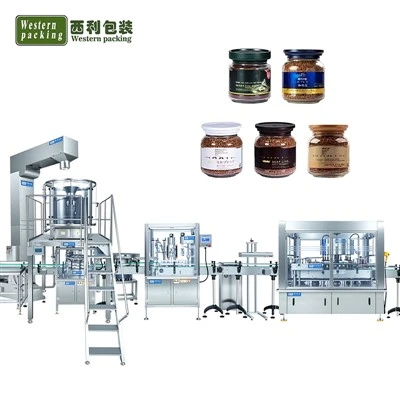
First off, let’s get real—when I get a call from a client saying their filler’s pouring unevenly, the first thing I ask is “When was the last time you did a deep clean?” A lot of folks run the machine every day, do a quick wipe down, and call it good, but over time, product gunk builds up in the tiny nooks of the nozzles and valves. That gunk doesn’t just sit there—it restricts the flow, so sometimes product can’t get through fast enough, and other times it clogs just enough to make the next pour too much. I had a small sauce company a few years back—they were losing 10% of their product every run because of this. They’d been using the same nozzles for 6 months without taking ’em apart. We pulled ’em apart, soaked ’em in a mild, food-grade cleaner overnight, scrubbed the tiny inner orifices with a soft brush (never a metal one—you scratch the metal, and that just makes it worse), and boom—even pours again. Pro tip: if your nozzles have any weird buildup, don’t skip taking ’em apart. Even a tiny speck of dried product can throw off the entire fill volume.
Next up, check the air pressure. Wait, most pneumatic fillers rely on consistent air pressure to push product through the valves, right? If your compressor’s acting up—like it’s fluctuating between 60 and 80 PSI when it should hold steady at 70—your fills are gonna be all over the place. I’ve seen clients blame the filler for this, only to realize their main air line was leaking at a fitting somewhere, so pressure was dropping mid-cycle. How to test this? Grab a pressure gauge (most machine shops have these, or you can pick one up cheap online) and hook it directly to the air inlet of the filler, not just the compressor. Run the machine through a full cycle without any product in the hopper—just air. If the pressure jumps around more than 2 PSI, you’ve got an air leak somewhere. Tighten all the fittings first, and if that doesn’t fix it, check the air lines for cracks or holes. Another thing: make sure you’re using the correct air pressure for your specific machine model. Different fillers need different pressures—too high, and you’ll get splashing (which makes it look like uneven fills when it just overflows some containers); too low, and the flow’s inconsistent. I always tell new clients to jot down the correct PSI from the machine manual and tape it to the control panel—you’d be shocked how many people forget that after a few months.
Then there’s the hopper level. This is such a simple thing, but it’s so easy to overlook. If your hopper’s getting low on product, the suction (for suction fillers, anyway) can get weird, or the flow rate drops because there’s not enough product sitting above the nozzle. I had a client with a bottle filler who was getting “light” fills on the last 5 or 6 containers of every run. Turns out they were refilling the hopper when it was almost empty, so the first containers after refilling were fine, but the ones at the end were starved of product. The fix here is easy—set a minimum level on your hopper, and make sure you top it off before it drops below that line. If you’re running really high volumes, maybe add an automatic level sensor—they’re not super expensive, and they take the guesswork out of it. Oh, and another hopper tip: if your product’s viscous (like syrup, jam, or lotion), stir it while you run the machine. Viscous products can separate, and if the thicker stuff settles at the bottom, that makes the flow inconsistent. A gentle stir (not so hard that you get bubbles, which is another whole problem) keeps everything mixed evenly.
Now, let’s talk about valve calibration. A lot of filling machines have adjustable valves that control how much product gets poured each cycle. Over time, vibrations from running the machine can loosen these adjustments, so each pour’s a little different. The fix here is to calibrate the machine regularly—like once a month if you run it daily, or every few weeks if it’s slower. How to do this? Empty the hopper, set a small container under one nozzle, run a single fill cycle, measure the volume. If it’s off, adjust the valve screw (most machines have a small screw you turn to change the fill amount) a quarter turn, run another cycle, measure. Do this a few times until it’s spot on. Then, do this for all nozzles! I can’t tell you how many times a client comes to me because one nozzle is filling way more or less than the others, and that’s because they never adjusted all of ’em, just one. Also, if you have a gravity filler (the kind that uses gravity to pull product into containers), check the height of the nozzle above the container. If a nozzle’s higher than the others, the product has farther to fall, so some might splatter or fill slower, making that container have less product. Make sure all nozzles are the same height above the bottle opening—most machines have adjustment knobs for that, easy to tweak.
Wait, what about clogged filters? Most filling machines have a filter either in the hopper or near the nozzles to keep big chunks (like fruit bits in sauce) from getting through. If that filter’s clogged, it slows down the flow of product, so fills are inconsistent. I had a client making salsa who kept getting uneven fills, and when we checked the filter, it was full of little tomato seeds and skins. They’d been running it for 3 months without cleaning the filter! If you have a filter, clean it every time you change product, or at least weekly if you run the same product nonstop. If the filter’s old or torn, replace it—even a tiny tear can let a big chunk through, but also, a worn filter won’t regulate flow right.
Another big one: electrical issues, specifically with the control panel. If your machine runs on a digital control, a loose wire or a faulty sensor can cause inconsistent fill times. For example, the sensor that tells the machine when to start and stop the fill might be dirty, so it’s triggering early or late. Or a wire connecting the control board to the valves might be frayed, so sometimes the valve opens, sometimes it doesn’t. How to check this? Unplug the machine first (safety first, always!), then open the control panel door and look for any loose wires—wiggle them gently, if one falls out, that’s the problem. If the wires look fine, clean the sensors with a soft cloth (they might have product gunk on them, so they can’t detect the container correctly or the fill amount). If that still doesn’t work, it might be a faulty control board or sensor, but that’s less common—most electrical filler issues are just loose wires or dirty sensors.
Wait, let’s not forget about the containers themselves. Sometimes the problem isn’t the filler at all! If your containers have inconsistent openings—like some bottle necks are a little wider, or some have burrs from the molding process—product can spill out, making it look like the filler is underfilling. Or if the containers aren’t aligned under the nozzles, the product sprays out the side instead of into the bottle. That’s a quick fix: check that all containers are sitting straight in the fixtures on your conveyor belt, and if you have misaligned necks, maybe invest in a neck gripper that centers the bottle perfectly. I had a small water bottling company that was blaming their filler, but it turned out their new batch of plastic bottles had uneven necks, so the water was spilling over the sides. Once they switched to a better bottle supplier, the uneven fills stopped.
Okay, let’s wrap this up with a quick troubleshooting checklist you can use right now, no tools needed first: 1) Stop the machine, take off the nozzle covers, check for gunk—wipe or soak nozzles if needed. 2) Check air pressure with a gauge, make sure it’s steady at the correct PSI from the manual. 3) Check hopper level—top it off if it’s low, stir viscous products. 4) Look at all nozzles, make sure they’re at the same height above containers. 5) Check the filter for clogs or tears. 6) Run a test fill, measure volumes, adjust valves if needed.
If you go through all these steps and your filler’s still uneven, don’t panic. Sometimes it’s a worn part, like a valve seal or a piston, that needs replacing. That’s where we come in—we’ve got parts for every type of filling machine, and our techs can walk you through replacing parts over the phone if it’s simple, or send a specialist out if you need hands-on help. Uneven fills don’t have to kill your production or waste your product. You just need to track down the small, easy-to-miss issue first, most of the time you don’t need a huge expense.

If you’re dealing with this right now and nothing here’s working for you, or you need help troubleshooting, just reach out. We’re here to help you get your filler running like new, no matter what model you have. Don’t let uneven fills slow you down or throw off your production—let’s fix this together.
Liquid Packaging Machine References:
- Filling Machine Operation and Maintenance Manual, International Packaging Equipment Association, 2021
- Troubleshooting Common Pneumatic Filler Issues, Packaging Technology Magazine, Vol. 47, No. 3, 2022
- Best Practices for Viscous Product Handling in Filling Systems, Journal of Food Packaging Science, Vol. 18, No. 2, 2023
- Preventive Maintenance Guide for Automatic Filling Machines, National Association of Food Processors, 2022
Guangzhou Western Packing Co., Limited
Guangzhou Western Packing Co., Limited is one of the most professional filling machine manufacturers and suppliers in China, also supports custom service. With abundant experience, we warmly welcome you to wholesale durable filling machine at competitive price from our factory.
Address: No.3, Yilong street, Wulonggang, Zhongluotan Twon, Baiyun District, Guangzhou
E-mail: david@westernpacking.com
WebSite: https://www.westernpackingusa.com/
