Let’s cut to the chase: if you’ve ever stood in a home renovation, countertop, or tile shop and watched someone slice through 2-inch marble slabs like butter, or trim a porcelain backsplash without chipping a single edge, you’re probably wondering: what actually is a tile and marble cutter? Spoiler alert—it’s not just a guy with a wet saw and a bad pair of earmuffs. It’s way more than that, especially if you’re someone who’s been hunting for reliable cutters for your jobsite or inventory. Marble Cutter
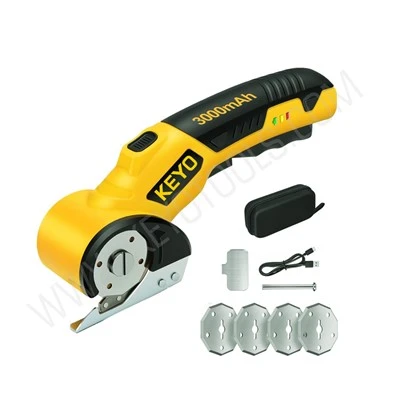
First, let’s get the basics straight. A tile and marble cutter is a specialized tool (or a pro who uses that tool) built specifically to work with hard, brittle materials: think marble, granite, porcelain, ceramic, even quartzite or engineered stone. I know, I know—you might already picture the big wet saws you see in showrooms, but there’s way more types than that. Some are handheld, some are table-mounted, some are designed for tiny, intricate cuts (like for mosaic tiles) and others for slicing 12-foot countertop slabs to fit a kitchen opening.
Wait, let’s clarify: when I say “cutter,” sometimes people mix up the tool with the person who operates it. Most of the time, when folks ask “what’s a tile and marble cutter?” they’re either asking about the tool or the trade. I’m a supplier, so I deal with both: the tools that cut the stone, and the pros who use ’em. Let’s start with the tools, since that’s the core of the whole thing.
The workhorse here is the wet saw, hands down. Unlike a regular circular saw that spins a metal blade, a tile and marble cutter’s wet saw uses a diamond-tipped blade (yep, actual industrial diamonds—they don’t come cheap, which is why replacement blades are a big expense for contractors) that’s constantly doused with water. Why the water? Two big reasons: first, it cools the blade, so it doesn’t overheat and warp or dull prematurely. Second, it washes away the grit and dust that’s generated when you cut hard stone—without that, you’d have a cloud of silica dust that’s bad for your lungs and gets everywhere. I’ve seen guys skip the water and end up with a blade that’s worn out in half a day, not a week. It’s not a hack, it’s a requirement.
Then there are the smaller cutters: handheld score cutters, the ones that look like a big glass cutter but way sturdier, for ceramic and porcelain tiles (not marble, though—too hard). Those are great for straight, clean cuts on smaller tiles, no electricity needed. And for super intricate stuff—like cutting a hole for a sink in a marble countertop, or shaping a tile to fit around a bathroom faucet—there are handheld angle grinders with diamond blades, or even wet tile nibblers that snip tiny bits off the edge without cracking the whole tile.
But here’s the part most people overlook: a good tile and marble cutter (the pro part, not just the tool) doesn’t just know how to pull the trigger and make a cut. They know their material. Marble, for example, is softer than granite, so you can use a lower blade speed and a thinner blade, but it’s also porous—so a bad cut can leave micro-cracks that’ll turn into a chip or a break a year later. Granite is way harder, so you need a thicker, more diamond-dense blade, and you have to push a little harder without forcing it, otherwise the blade binds and kicks back. I’ve supplied blades to contractors who’ve used the wrong blade on marble and ended up with a dozen slabs ruined before noon—total waste of money and time.
Speaking of time: if you’re a supplier like me, you’ll notice that demand for tile and marble cutters spiked during the home boom a few years back, and it’s stayed steady. People are still renovating kitchens and bathrooms, building outdoor patios with stone tile, and even adding marble accents to commercial spaces like cafes and hotels. The problem a lot of contractors run into? Cheap tools. The cheap wet saws from big-box stores that break after 10 uses, or diamond blades that are coated in industrial grit that’s not actually high-quality diamond. They end up wasting materials, missing deadlines, and losing money. That’s where a reliable supplier comes in—we don’t just sell you a cutter, we tell you which one works for your job, not just the one with the lowest price tag.
Wait, let’s bust a common myth: a tile cutter isn’t the same as a stone cutter. Stone cutters usually work with larger, heavier slabs (like for foundations or big commercial projects), while tile cutters are for smaller, more precise cuts, usually for finishing work. Marble cutters, specifically, are a subset—since marble is softer but more prone to chipping than granite, they need tools and techniques that prevent that. I’ve had customers come to me saying they used a general stone cutter on a marble countertop and got a ton of edge chipping, and they had to spend extra to re-polish the edges. Total headache.
Another thing: safety. A lot of new guys think tile and marble cutters are just loud and dusty, but the wet saw’s kickback can be brutal if you’re not holding it right. Silica dust from cutting stone is carcinogenic, so you need a mask, goggles, and ear protection. A good pro will know that, and a good supplier will even include safety tips when you buy a cutter. I never sell a wet saw without walking a new customer through the basics—don’t lean over the blade, keep the water flow steady, replace the blade when it starts to skip. It’s not rocket science, but it’s stuff that saves you from a trip to the ER or a ruined slab.
Now, why does this matter to you? Whether you’re a contractor, a hobbyist doing a big backyard patio, or a shop owner looking to stock tools, knowing what a tile and marble cutter actually is (and the difference between a good one and a dud) saves you time and cash. I’ve had so many guys come to me after buying a cutter that wasn’t built for the material they’re working with. One guy tried to cut a 2-inch thick marble slab with a 4-inch handheld grinder—ended up with a broken blade, a cracked slab, and a mess all over his shop. That’s the kind of mistake we help you avoid.
Let’s talk about the different types of cutters and their uses, because that’s where people get confused:
- Handheld Tile Cutters: Best for small, thin ceramic/porcelain tiles (like backsplash tiles). Score the surface, snap it—super fast, no water needed. Not for marble, way too weak.
- Wet Table Saws: The workhorse for marble, granite, and porcelain. Table-mounted, has a diamond blade, water-fed. Can cut straight lines up to 48 inches, even curves if you get a jigsaw attachment. This is what most countertop pros use.
- Nibblers: For trimming tiny bits off tiles, cutting out holes for faucets or outlets. Perfect for mosaic work too.
- Angle Grinders: Handheld, for shaping edges or making small, custom cuts. Use a diamond blade and water to keep dust down.
Each of these is a tile and marble cutter, but each has a specific job. You don’t use a nibbler to cut a 10-foot slab, and you don’t use a wet saw to cut a 1-inch mosaic tile. That’s the mistake a lot of newbies make.
As a supplier, I’ve seen all of it. I’ve supplied cutters to small contractors doing residential remodels, to big construction companies building commercial spaces, to even people who just want to cut tiles for their own bathroom renovation. The one thing they all ask for? Reliability. No one wants a cutter that breaks mid-job, no one wants a blade that’s dull after two cuts. That’s why we focus on quality—we source diamond blades from manufacturers that test ’em, we sell wet saws with solid motors that don’t burn out, and we’re here to help you pick the right tool for your specific job.
Wait, let’s get real for a second. A lot of suppliers act like they’re just selling a product, but I’m here to tell you: a tile and marble cutter is an investment. If you’re a contractor, your cutter is your main tool—if it’s bad, you’re bad at your job. If you’re a homeowner doing a project, a bad cutter means you waste materials and end up with a job that looks half-finished. That’s why I don’t just sell tools. I answer questions: “Can this wet saw cut 2-inch marble?” “How often do I need to replace the blade?” “What’s the best way to maintain my cutter so it lasts?”
I’ve had customers come back to me 5 years later, saying the wet saw I sold them is still going strong. That’s the stuff we’re proud of. Because at the end of the day, when you cut a marble countertop that fits perfectly, or a tile that lines up just right, that’s what a tile and marble cutter is all about—making something beautiful out of hard, tricky materials.
Cordless Grass Trimmer Now, if you’re in the market for a tile and marble cutter, or you’re not sure which one fits your needs, don’t waste time guessing. We’re here to hook you up with the right tools, blades, and advice to get the job done right. Skip the mistakes, skip the cheap tools that break, and reach out to us to talk through your project—whether it’s a small bathroom remodel or a big commercial tile job.
References
- Tile Association of America. (2022). Proper Tool Selection for Natural Stone and Tile Installation.
- Marble Institute of America. (2021). Best Practices for Cutting and Finishing Natural Stone.
- Occupational Safety and Health Administration (OSHA). (2020). Silica Dust Prevention in Construction and Stone Cutting Operations.
- Diamond Tool Institute. (2023). Diamond Blade Specifications for Stone Cutting Applications.
- Home Improvement Research Institute. (2022). Residential Renovation Trends: Tile and Stone Material Demand.
Chongqing Jinswell Tech Co., Ltd.
As one of the most professional marble cutter manufacturers and suppliers in China, we’re featured by quality products and low price. Please rest assured to wholesale bulk cheap marble cutter from our factory. Welcome to contact us for customized service and OEM&ODM service.
Address: No.59, Hongjin Road, Liangjiang New Area, Chongqing, China
E-mail: sales@keyotools.com
WebSite: https://www.keyotools.com/
