Hey there, if you’re running a sheet metal fabrication shop, you know picking the right laser cutting machine isn’t just a purchase—it’s basically betting on how smoothly your business runs for the next 5+ years. I’ve been on the supplier side of these machines for over a decade now, and let me tell you, I’ve seen way too many folks jump into a buy that leaves them frustrated, cash-strapped, or stuck with gear that doesn’t fit their actual work. No AI-generated generic tips here—just real, no-BS stuff I’ve picked up from talking to hundreds of shop owners, small fab teams, and even guys just scaling up from a 2-person garage operation. If you’re scrolling this because you’re deep in research mode, stay a sec—this should cut through the noise. Sheet Metal Laser Cutting Machine
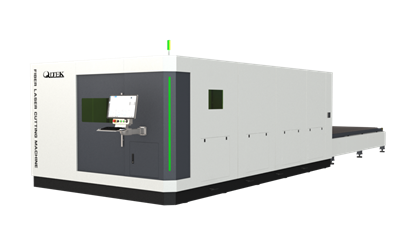
First off, let’s start with what you’re actually making, not just what you want to make. I can’t tell you how many times a customer comes to me hyped about “one day doing 1-inch stainless steel parts for agricultural equipment” but right now their main gigs are 16-gauge aluminum brackets for HVAC and thin steel signs for local businesses. That’s a mismatch waiting to happen. Laser cutting machines have power ranges, and picking one based on a far-off “what if” instead of your current workload is the easiest way to overspend. For context, most small to mid-sized fab teams (think 5–15 people) that work with thin to mid-gauge metal—up to 1/4 inch usually—get by great with a 3kW to 6kW fiber laser. If you’re cutting thick stuff, like 1-inch mild steel or stainless, you might need 8kW or higher, but only if that’s 20% or more of your weekly workload. If it’s just occasional custom orders, wait till you actually get that consistent thick-metal gig before upgrading. Pro tip: I always ask customers to pull their last 2 months of work orders—total weekly hours spent cutting, average thickness of each material, and material types. That’s the real baseline, not some sales brochure line about “max cutting speed.”
Next up, the bed size. This is another one where people either go too small or way too big, and neither works. Let’s say you do custom ductwork parts—those are usually 4×8 feet, right? If you get a 5×10 foot bed, you’re wasting 2 square feet of material every time you load a sheet, which adds up to tons of extra cost. On the flip side, if you do custom car parts, large enclosures, or industrial panels that are 6×10 feet, a 4×8 bed is going to mean cutting parts into pieces and welding them later—time you can’t get back. Also, don’t forget to account for how you load and unload sheets. If you’re a 2-person team and most sheets are 4×8, a fixed bed works fine. But if you’re doing heavy 5×10 sheets and struggling to lift them, look for a machine with auto-load/unload or a rotary pallet system. Those aren’t cheap, but if you’re running 10+ hour days, they’ll cut your labor time in half. I had a customer a couple years back who bought a small fixed bed because he thought pallets were “unnecessary,” and within 6 months he was paying us extra to retro-fit a pallet system because his team was burnt out on lifting 100lb steel sheets all day. Don’t make that mistake.
Then there’s the laser source itself. Fiber vs. CO2—stop arguing about which is “better” and start asking which fits your materials. Fiber lasers are king for reflective metals: aluminum, copper, brass, even galvanized steel. They’re more energy efficient, lower maintenance, and faster for thin gauges. CO2 lasers are better if you work with non-metals too—like wood, acrylic, plastic, or fabric—since fiber doesn’t cut those well. If your shop is 90% steel, aluminum, and stainless, fiber is the only way to go right now. Another thing about the source: don’t get talked into a “premium” source if you don’t need it. A lot of customers ask about the top-tier brand (I won’t name names) but a mid-tier source from a reputable supplier works just as well for most small to mid-sized jobs, and saves you 20–30% upfront. The only time you need the absolute top source is if you’re doing ultra-high volume 24/7 runs, like cutting parts for appliances where every second of downtime costs you thousands. For everyone else, mid-tier is perfect.
Wait, let’s talk downtime—because nothing kills a schedule like a machine that’s broken more than it’s running. When you’re looking at machines, don’t just look at the specs on cutting speed. Ask about mean time between failures (MTBF) and mean time to repair (MTTR). I’ve seen machines that cut 1000ipm but break down every other day, and it takes 4 hours to get a tech out. That’s way worse than a machine that cuts 800ipm but only breaks down once a month and a tech shows up in 45 minutes. Also, check the parts availability. If the machine uses weird, proprietary parts that take weeks to order, that’s a disaster. We keep common parts in stock for all our machines, so a repair is usually same-day, but some smaller suppliers don’t do that. And don’t sleep on maintenance. How often do you need to clean the lens, replace the nozzle, or check the alignment? The less maintenance, the better—especially if you’re short on time or tech know-how. A lot of shop owners aren’t electricians or laser techs, so a machine that’s easy to maintain is a big win.
Material compatibility also goes beyond just type—what about coated or pre-painted metals? Some cheap lasers will burn the paint right off your part when cutting coated steel, which means you have to repaint or redo the part, costing you time and money. Look for a machine with a proper assist gas setup—usually nitrogen for stainless and aluminum, oxygen for mild steel. The gas pressure and type make a huge difference in edge quality, especially for coated materials. If you do a lot of pre-painted parts, you want a machine that can adjust gas pressure automatically to avoid burning the coating. That’s not a “nice-to-have” feature—it’s a make-or-break for a lot of custom fab jobs.
Software is another thing no one talks about until they’re panicking. The machine’s control software isn’t just a button to start cutting—it’s how you nest parts, adjust for kerf (the material the laser burns away), import CAD files, and troubleshoot. If the software is clunky, outdated, or doesn’t work with common file types (DXF, DWG, etc.), you’re going to waste hours fixing files instead of cutting parts. A lot of budget machines come with free software that’s super limited—you can only cut simple shapes, no complex nesting, and it crashes all the time. We include a robust, user-friendly software with all our machines that works seamlessly with almost every CAD program, and it’s easy to learn even if you’re not a software whiz. I had a customer last year who bought a no-name machine because it was $10k cheaper, and he spent 3 days trying to get his DXF files to import right before he even turned the laser on. Save yourself that headache—test the software if you can, or ask for a demo.
Budget time, not just upfront cost. I see this all the time: someone has a $50k budget and buys a machine for $45k, then realizes they forgot about installation, training, assist gas tanks, maintenance, and consumables, which add another $10–15k. Don’t do that. Add 20–25% to your upfront budget for extra costs that don’t show on the base price. Also, think about long-term value. A $50k machine from a reputable supplier that lasts 10 years with minimal downtime is way better than a $40k machine that needs major repairs every 2 years. We offer financing too, so you don’t have to drop a lump sum all at once, which helps with cash flow. Training is non-negotiable too—if the supplier doesn’t teach your team how to run the machine, maintain it, and fix small issues, you’re screwed. We do on-site training for all our customers, plus online tutorials so you can brush up anytime.
Wait, let’s not forget about after-sales support. This is the biggest differentiator between a good purchase and a bad one. If your supplier is 2 states away, and you need a part at 7pm on a Friday because your machine broke for a rush job, how fast can they get it to you? Do they have 24/7 support? Can you call a real person, not a robot, when something goes wrong? I know a shop owner who bought a machine from a supplier overseas, and when it broke, he waited 2 weeks for a replacement part and lost a $20k job. Never again. We have local service techs across the country, a 24/7 support line, and parts shipping within 24 hours for most orders. That’s the stuff that keeps your business running, not the cutting speed.
Let me wrap this up with a quick real example. Last quarter, I worked with a small shop that does custom metal signs and HVAC brackets. They were making $200k a year, had 3 guys on staff, and their old punch press was too slow. They came to me looking at a 6kW fiber laser. But when we looked at their work orders, 90% of their parts were 16–18 gauge, and they only cut stainless about 10% of the time, no thick metal. We suggested a 3kW fiber laser with a 4×8 bed, auto-nozzle change, and basic auto-nesting software. That machine was $25k less than the 6kW they were eyeing, and it’s been perfect for them. They cut their lead times from 3 days to 4 hours, and their monthly throughput went up 40% without hiring anyone. The moral of that story: don’t chase specs that don’t apply to your actual work.
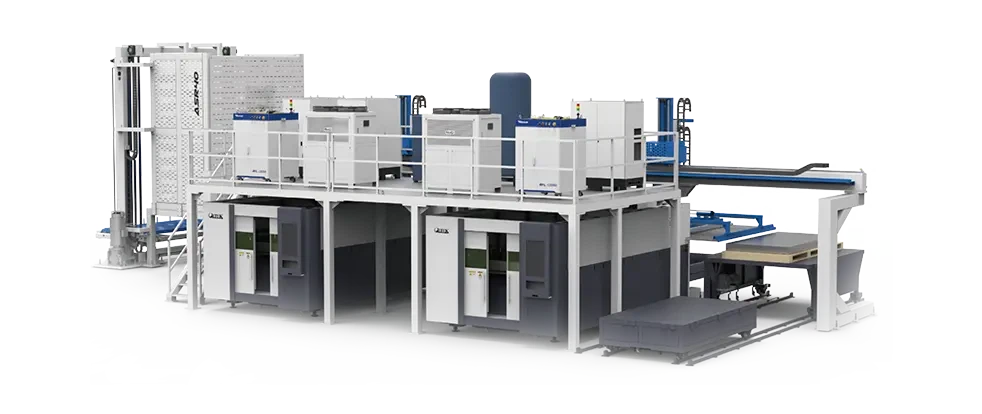
If you’re still stuck trying to figure out which machine fits your shop, don’t overcomplicate it. Skip the sales hype, bring in your work order history, and ask the right questions. We’re here to help—no pushy sales pitches, no hidden fees, just honest advice for your business. Let’s chat about what you need, and we’ll find a machine that works for your budget, your workload, and your team.
Laser Welding Machine References:
- MetalForming Magazine. "Key Considerations for Selecting Fiber Lasers for Sheet Metal Cutting." Modern Metals, 2022.
- The Fabricator. "How to Size a Laser Cutting Machine for Your Shop’s Workflow." Gardner Business Media, 2023.
- American Society of Mechanical Engineers (ASME). "Best Practices for Laser Cutting Machine Maintenance and Downtime Reduction." ASME International, 2021.
Suzhou Quick Laser Technology Co., Ltd.
Suzhou Quick Laser Technology Co., Ltd. is one of the most professional sheet metal laser cutting machine manufacturers and suppliers in China, featured by quality products and good price. Please feel free to buy durable sheet metal laser cutting machine for sale here from our factory. For more information, contact us now.
Address: No. 6, Qingqiu Street, Industrial Park, Suzhou, Jiangsu Province, China
E-mail: info@qlteklaser.com
WebSite: https://www.qlteklaser.com/
