If you’ve ever held a small, low-voltage electrical component like a smartphone’s haptic motor, a transformer’s winding, or even a vintage guitar pickup, chances are you’ve interacted with silk coated wire without realizing it. As a coated wire supplier who’s worked with this material for over 12 years, I’ve seen it become a go-to choice for engineers, hobbyists, and manufacturers across aerospace, medical, and consumer electronics industries—yet it’s still a product many people outside our niche know very little about. Let’s break down what silk coated wire is, how it’s made, what makes it stand out, and why it’s often the unsung hero in applications that demand precision and reliability. Coated Wire
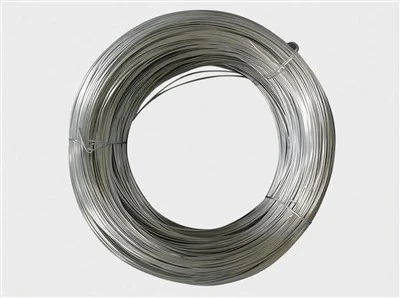
First, let’s get the basics straight: silk coated wire is a type of magnet wire, a category of wire used for electrical windings that’s coated with a thin layer of insulating material. The twist here is that the insulation isn’t a synthetic plastic or polymer—it’s made from natural silk, specifically degummed silkworm silk, the same protein fiber used in high-end textiles. Unlike thicker plastic insulations that often require stripping with tools before use, silk’s ultra-thin, flexible coating is a huge advantage for tight, delicate windings. That thinness is why silk coated wire can pack more turns into a smaller space than many alternative magnet wires, a critical detail for devices where size and weight matter, like cardiac pacemakers or miniaturized drones.
Now, how is it made, and why isn’t synthetic insulation used instead? Let’s walk through the manufacturing process, which is where the quality of silk coated wire really differentiates good suppliers from great ones. We start with a core wire—almost always high-purity copper, sometimes aluminum for lighter applications, depending on the end use. The core is first cleaned thoroughly to remove any oxidation, grease, or residual drawing oils; even a tiny speck of debris can cause the silk coating to peel later. Next, we prepare the silk itself: raw silkworm silk has a gummy layer called sericin that needs to be removed (that’s degumming) to create a smooth, consistent fiber. We boil the silk in a mild alkaline solution for about 30 minutes, rinse it repeatedly, and stretch it to a specific length and thickness so it’s uniform for coating.
Once the silk is ready, we coat the core wire through a process called silk wrapping, not to be confused with a simple wrap of thread around wire. This is a precision, multi-step process that requires steady hands (or high-speed automated machinery calibrated to within a micrometer, a thousandth of a millimeter) to wrap the silk fiber at a tight, overlapping angle. We usually apply two or more layers of silk: the first layer is wrapped in one direction, the second at a 90-degree angle, which eliminates gaps and ensures full insulation. After wrapping, the wire goes through a curing process—we heat it slowly to a set temperature, which cross-links the silk’s protein molecules to make the coating durable and moisture-resistant. It’s a delicate balance: heat too fast, and the silk burns or the wire warps; heat too slow, and the coating is too weak to stand up to tension during winding.
You might be asking, why use natural silk when synthetic alternatives like polyurethane or polyimide exist? The answer lies in unique properties that synthetic insulations can’t match. For one, silk has superior dielectric strength at very thin gauges. A single layer of silk just 0.02 millimeters thick can withstand up to 200 volts of electrical pressure, which is enough for most low- and medium-voltage windings. Compare that to a typical polyurethane insulation, which needs to be at least twice as thick to hit the same voltage rating, making the overall wire thicker and the final component larger. That thinness is a game-changer for miniaturized devices, where every cubic millimeter counts.
Another key property is flexibility and thermal stability, especially at high frequencies. Silk doesn’t crack or delaminate when wound tightly around a small bobbin, a common issue with many rigid synthetic insulations. That’s why silk coated wire is the standard for guitar pickups, where windings are often wrapped hundreds of times around a tiny plastic bobbin—if the insulation cracks, you get a short circuit, and the pickup is ruined. For medical devices like hearing aids, silk’s biocompatibility matters too: it’s non-toxic and doesn’t cause irritation if it comes into contact with human tissue, a safety standard that many synthetic insulations don’t meet without additional treatment.
Wait, but silk has a reputation for being delicate, right? It can absorb water, get damaged by chemicals, or fray over time. That’s where modern manufacturing has improved silk coated wire beyond the vintage products of the past. Top suppliers like us add a tiny, clear protective coat to the silk wrapping after curing—a water-based acrylic or polyurethane sealant that repels moisture, resists mild chemicals, and adds extra scratch resistance. We also offer “heavy build” silk coated wire for applications that need extra durability, where we add three layers of silk instead of two, boosting the voltage rating to over 500 volts. And for extreme environments, we can coat the core wire itself with a thin layer of polyimide before the silk is applied, combining the best of both natural and synthetic insulation for aerospace or industrial applications.
Let’s talk about common uses to put this in context, because silk coated wire isn’t a one-size-fits-all product. As I mentioned earlier, audio equipment is one of the largest markets: vintage tube amplifiers, guitar pickups, and high-end headphones all use silk coated wire because its thin insulation preserves signal clarity. The way silk wraps around the core doesn’t cause the kind of electrical “leakage” that thicker synthetic coatings sometimes do, resulting in a warmer, more natural sound that audiophiles swear by.
Then there’s medical devices. Cardiac pacemakers and implantable defibrillators rely on silk coated wire for their internal windings, because it’s lightweight, biocompatible, and can handle the small, tight spaces inside the device. Unlike synthetic insulations that can degrade over years of exposure to bodily fluids, the sealed silk coating holds up for decades, a critical requirement for implantable devices that can’t be easily replaced. Aerospace is another big user: satellite sensors, drone motors, and aircraft communication systems use silk coated wire because it’s lightweight enough to not add unnecessary weight to a craft, and its insulation is resistant to the extreme temperature swings of space or high altitude.
We also work with a lot of hobbyists and small electronics manufacturers who love silk coated wire for its ease of use. Unlike some magnet wires that require a special stripping tool to remove the insulation before soldering, silk’s thin coating can be burned off with a heat gun, scraped off with a small knife, or even dissolved with rubbing alcohol—no fancy tools needed. That makes it perfect for custom projects, from homemade robot arms to experimental wind turbines, where a small mistake or a last-minute change doesn’t mean you have to discard a whole spool of wire.
Now, let’s clear up a common misconception: silk coated wire isn’t just for small, low-voltage applications. We supply heavy-gauge silk coated wire, up to 4 millimeters in diameter, for larger transformers and industrial motors. Those thicker wires use multiple layers of silk and a reinforced sealant to handle higher currents and voltages, all while maintaining the flexibility to wind around large bobbins without cracking. It’s versatile, which is why it’s remained a staple in the coated wire market for over a century, even as new synthetic materials have come and gone.
As a supplier, what sets our silk coated wire apart? I’ve been in this business long enough to know that quality is in the details. We test every spool we send out for dielectric strength, tensile strength, and flexibility, so our customers don’t have to worry about windings shorting out during production. We offer a range of gauges, from 0.01mm for tiny hearing aid windings up to 4mm for industrial use, and we can customize the insulation thickness or sealant type to fit specific application needs. Unlike larger manufacturers that churn out generic silk coated wire, we work closely with our customers to adjust the process—if a medical device maker needs a more biocompatible sealant, or an audio company wants a thinner coating for clearer signal, we can adjust our production to meet that need.
If you’re an engineer looking for a winding material that balances size, performance, and reliability, or a hobbyist working on a custom project, silk coated wire is likely the solution you’ve been searching for. It’s not the cheapest option on the market, but for the applications it’s designed for, its unique properties make it worth the investment. A cheap synthetic magnet wire might work for a simple circuit board, but it can’t match silk’s combination of thin insulation, flexibility, biocompatibility, and signal clarity for the high-stakes applications that need it most.
I’ve seen too many engineers cut corners on insulation to save a few dollars, only to end up with a product that fails months or years down the line—whether that’s a guitar pickup that loses signal mid-gig, a medical device that needs early replacement, or a drone motor that dies mid-flight. Silk coated wire eliminates that risk, because it’s engineered to handle the stress of winding, the environment, and the demands of the application, no matter how small or complex.
If you’re in the market for silk coated wire, or you have questions about whether it’s the right fit for your project, I’m here to help. We work with customers across all industries, from small startups to large aerospace manufacturers, and we can provide samples, technical specifications, and tailored solutions to meet your needs. Don’t hesitate to reach out to our team to discuss your requirements, learn more about our products, or place an order. We’re committed to delivering high-quality, reliable coated wire that stands up to the test, and we’re here to support your projects every step of the way.
Razor Wire References
- Electrical Insulation Materials: Properties and Applications, 2nd Edition, John Wiley & Sons, 2018.
- Biocompatible Materials for Implantable Medical Devices, Elsevier, 2020.
- The Science of Silk Wrapping in Magnet Wire Manufacturing, Journal of Electrical Insulation Technology, Volume 12, Issue 3, 2019.
- Aerospace Wiring Standards and Components, SAE International, 2021.
Firmstone (Tianjin) International Limited
Firmstone (Tianjin) International Limited is one of the most professional coated wire manufacturers and suppliers in China, featured by quality products and good service. Please feel free to buy bulk advanced coated wire made in China here from our factory. Welcome to contact us for quotation.
Address: 411, Prophet Valley, No.10, Meiyuan Road, Huayuan Industrial District, Xiqing District, Tianjin
E-mail: vivianjia@firmstonewire.com
WebSite: https://www.firmstonefactory.com/
