Hey everyone, it’s [Your Name] here, and if you’re in the furniture, cabinetry, or custom millwork space, you’ve probably run into melamine blockboard at some point. I’m a supplier who’s fielded this question a hundred times from clients old and new: Can melamine blockboard be laminated? Today, I’m breaking this down straight—no jargon, no sales fluff, just the real deal based on the product I ship every week. Melamine Blockboard
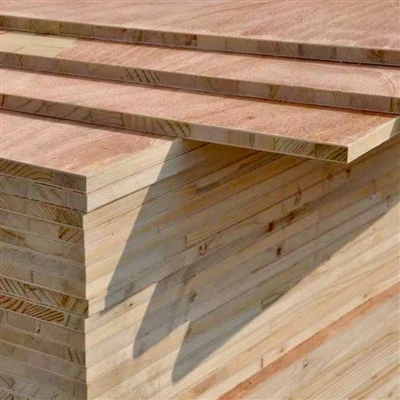
First, let’s get clear on what we’re working with here. Melamine blockboard isn’t just plain wood; it’s a core made of soft, lightweight wood blocks glued together, covered on both sides with a thin melamine resin sheet. That melamine layer is hard, scratch-resistant, and moisture-resistant, which is why it’s such a go-to for affordable, durable builds. But when clients ask about laminating it, they’re usually talking about adding another layer—whether it’s wood veneer, vinyl wrap, or even another melamine—for a custom look, better edge coverage, or to cover up minor imperfections they might have missed when the blockboard arrived.
Here’s the short answer first: Yes, you can laminate melamine blockboard—but there are right ways and wrong ways to do it, and a lot of folks skip the prep step that makes or breaks the job. I’ve seen clients try to glue a veneer straight onto raw melamine and watch it bubble or peel off a week later, and I’ve also worked with custom shops that get it right every time by following a few simple rules. Let’s dive into the “why” and the “how” so you don’t waste time or material.
First, why would someone even want to laminate melamine blockboard? Let’s be real—off-the-shelf melamine has super plain, uniform finishes. If you’re building a custom kitchen island, a retail display, or a furniture piece that needs that “natural wood” vibe without the price tag of solid lumber, laminating a real wood veneer over blockboard gives you the best of both: the lightweight, stable core of blockboard with the aesthetic of hardwood. Or maybe you have a blockboard sheet that’s got a tiny dent or a scratch in the melamine layer—laminating a thin vinyl or another melamine in a coordinating color can cover that up without having to cut the whole sheet down. Some folks also do it for edge banding, wait no—edge banding is different, but laminating the full surface lets you do seamless edges that look way cleaner than the exposed block ends.
Now, let’s talk about the science behind why this works (or doesn’t). The melamine surface is non-porous, right? That’s its whole superpower—resists spills, scratches, all that. But that non-porous surface is also its problem when you’re trying to glue something to it. If you just slather contact glue or wood glue on top of melamine, it can’t seep into the surface to form a strong bond. That’s the number one mistake I see. So the key prep step here is to scuff up the melamine surface just enough to create tiny, rough spots for the glue to grab onto. Not too much—you don’t want to sand through the melamine layer and expose the underlying wood core—but just enough that it feels slightly matte instead of glossy. I usually recommend 120-grit sandpaper, light pressure, and wipe the dust off with a tack cloth so there’s no gunk ruining the glue bond. Some guys skip this and wonder why their laminates fall off—don’t be that guy.
Next, what kind of laminate works best? Not all laminates are equal for melamine blockboard. Let’s break down the popular options:
-
Real Wood Veneer: This is the most common one. It’s thin (usually 1/40 inch to 1/16 inch), lightweight, and gives that authentic wood look. For blockboard, which is already stable, veneer works great because it doesn’t add too much extra weight. I tell clients to use a white wood glue or a contact adhesive specifically made for non-porous surfaces—something like Titebond III or a professional-grade contact cement is non-negotiable here. Apply a thin, even layer to both the melamine blockboard and the back of the veneer, let it get tacky (usually 5-10 minutes, depending on humidity), then press it down firmly. A roller works for flat surfaces, but for larger pieces, a laminating press or even just clamping with weighted blocks overnight will make sure there are no air bubbles. I always tell clients to work on a flat, level surface—even a small warp in the blockboard will show up in the veneer, so propping it up off the floor with saw horses is a good move.
-
Vinyl Wrap or Decorative Laminate Sheets: If you’re going for a different color or a textured finish (like wood grain, stone, or even a solid matte black), vinyl wrap is super easy to work with. It’s flexible, so it can wrap around curves if you’re building something with rounded edges, which is a big plus. Prep is the same as with veneer—scuff the melamine, clean it—plus you have to make sure the vinyl is cut to the exact size of the blockboard with a little overhang so you can trim the edges later. Use a heat gun to smooth out any wrinkles when you’re applying it; hot air makes the vinyl stretch a little and stick better. I’ve seen beginners get frustrated with bubbles, but if you work slowly from the center out, you can pop them with a pin and smooth them flat.
-
Another Melamine Sheet: Wait, can you laminate melamine to melamine? Absolutely—if you want to change the finish. Like, if you have a light oak melamine blockboard and you want to go dark walnut, you can laminate a dark melamine sheet on top. But here’s the catch: the melamine layers have to be compatible, and you still need to scuff the surface. I’ve heard of guys using regular wood glue for this, but I recommend a heat-activated adhesive or a structural adhesive that’s designed for resin surfaces, because melamine can be tough to bond to. Also, if you’re doing this, make sure the total thickness doesn’t get too extreme—blockboard is already thick, adding another sheet might make it harder to work with for tight spaces like cabinet boxes.
Now, what about things you should avoid? Don’t use too thick a laminate—anything over 1/8 inch is going to add too much weight, and blockboard is light for a reason. If you put a thick veneer or a solid wood board on top, the blockcore might start to warp over time because of uneven expansion (wood expands and contracts with humidity, right? So a thick top layer can pull on the core). Also, don’t skip the primer or the scuff step— I can’t stress that enough. I once had a client who laminated a countertop for a coffee shop, skipped the scuff, and three months later the veneer peeled right off in the middle of the peak season. He had to remake the whole thing, and he texted me apologizing for not listening to me earlier. Lesson learned.
Wait, let’s address a common myth I get asked: “Is laminating melamine blockboard the same as laminating particle board or MDF?” No, not exactly. Blockboard has a solid wood core, so it’s more stable than particle board, which is made of wood chips, or MDF, which is super dense. That means when you laminate, blockboard is less likely to warp from the adhesive or the laminate’s expansion, which is a big win. MDF is porous, so you don’t have to scuff it as much, but it’s heavier, so blockboard’s lightweight is a plus for mobile displays, wall panels, or furniture that needs to be moved around.
Now, as a supplier, I always make sure my melamine blockboard sheets are ready to laminate if you want to do it right. I send each sheet with a little note recommending the 120-grit scuff step, and I even have a list of preferred adhesives and laminate suppliers I pass along to new clients. A lot of suppliers will just sell you the board and wash their hands of it, but I’m here for the long haul, so if you have a question mid-laminate job, you can hit me up, and I’ll walk you through it.
Let me also share a quick real example from a client of mine, a small furniture maker in Toronto. A few months back, he ordered 10 sheets of 3/4 inch white oak melamine blockboard to build a line of dining tables. He wanted a solid wood look, so he laminated 1/16 inch red oak veneer over each tabletop. He followed the scuff step, used Titebond III, and pressed the veneer with a roller. The tables have been out in his showroom for 6 months, no peeling, no warping, and customers can’t tell it’s not solid oak. He just placed a new order for 20 more sheets, which tells me he did it right.
Another thing to think about: if you’re laminating the edges too, not just the top and bottom. Blockboard’s edges are made of those wood blocks, so they’re more porous than the melamine surface. That means edge laminating is a little different—you can use a contact glue directly on the edge, no need to scuff, and a thin veneer edge banding works great. Just make sure you trim the edge banding with a flush cut saw after it dries, so it looks seamless.
Wait, what about moisture? If you’re using blockboard in a bathroom or a kitchen where there’s humidity, laminating an extra layer can actually help protect the core, right? The melamine is already moisture-resistant, but adding a second layer (like a vinyl wrap that’s also moisture-resistant) adds extra protection, so the blockcore doesn’t absorb moisture and swell. I have a lot of clients doing that for vanity tops, and it works way better than plain melamine alone.
Now, let’s talk about the limits. You can’t laminate something super heavy, like a solid hardwood door slab, because blockboard isn’t that strong on its own when you add a heavy top layer. If you’re building a load-bearing structure, you probably want solid lumber or plywood, but for cabinet faces, furniture tops, wall panels, and displays, laminating melamine blockboard is totally safe. Also, if you’re doing a curved piece, vinyl is way easier than veneer because it’s flexible—veneer can crack if you bend it too tight, so vinyl is the way to go for curves.
Here’s the thing: I don’t want anyone to be scared off by the prep step. It’s not hard, it just takes 5 minutes with sandpaper. I’ve had guys call me panicking because their first laminate job didn’t work, and after we sand the surface, they’re able to fix the bond and finish the job. That’s why I do this—because I know melamine blockboard is such a versatile product, and laminating it is one of the best ways to make it fit exactly what your project needs.
If you’re planning a project where you need melamine blockboard and want to laminate it, or if you’re just testing it out, I’m here to help. I can send you sample sheets of different melamine finishes, give you the right specs for thickness, and even share a few pro tips I’ve picked up over the years working with custom shops and DIYers alike. Don’t waste time guessing—reach out, and we can talk through your project, the laminate you want to use, and make sure you get the right blockboard for the job.
Before I wrap this up, let’s make sure we didn’t miss anything. Can melamine blockboard be laminated? Yes, when you prep the surface, use the right adhesive, and pick the right laminate for your project. It’s not a tricky process, but skipping the basics will lead to problems. And as a supplier, I’m not just here to sell you a board— I’m here to make sure your project works, whether it’s your first furniture build or your 100th commercial display.
If you’re ready to order melamine blockboard for your laminating project, or if you have more questions about the process, hit me up to connect and start your order. I’m always available to walk through details, answer random questions, and make sure you get exactly what you need for your build.
Melamine Faced Plywood References:
- Wood Resource Journal. (2022). Bonding Adhesives for Non-Porous Surfaces in Wood Panel Applications.
- Furniture Industry Review. (2023). Laminating Techniques for Blockboard: Stability and Durability Insights.
- Melamine Resin Association. (2021). Surface Preparation for Laminating Melamine-Coated Wood Panels.
Jiangshan Shunlong Wood Industry Co., Ltd.
As one of the most professional melamine blockboard manufacturers and suppliers in China, our products have good reputation in the market. Please feel free to wholesale bulk melamine blockboard in stock here and get quotation from our factory. We also accept customized orders.
Address: No.7 Jinfeng Road, Jintangshan Industrial Zone, Hecun Town, Jiangshan City, Quzhou City, Zhejiang Province
E-mail: 17858202655@163.com
WebSite: https://www.shunlongwood.com/
