Hey there, if you’ve ever spent 5 a.m. in a food processing plant watching three different guys juggle a dicing machine, a packaging line, and a temperature monitor like it’s a high-stakes circus act, you’ve probably wondered: why is the food industry still stuck with so many single-task machines? Let me tell you— as someone who’s spent the last 8 years selling multi-tasking machines (yeah, that’s my gig), I get that skepticism. I’ve heard it all: “Food needs precision, not one machine doing ten things.” “Cross-contamination is a death sentence here.” “This is just another shiny ‘tech bro’ solution no one needs.” But here’s the thing— I’ve seen these multi-tasking machines actually work in real food plants, not just lab tests, and they’re changing how places operate. Today, I’m breaking down whether they’re actually a fit for food processing, no sales fluff, just real talk from someone who’s had customers both swear by ’em and write ’em off. Multi-Tasking Machines
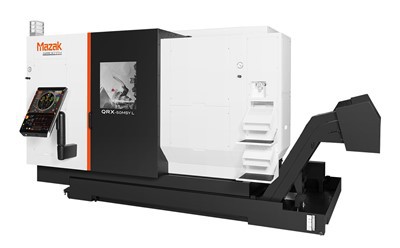
First, let’s get one thing straight— I’m not talking about some clunky, one-size-fits-all robot that’s gonna mangle your fresh berries or mix raw chicken with lettuce. The multi-tasking machines we build (and the ones I sell to food plants) are designed with food safety and process flow in mind. Unlike old-school setups where you have separate machines for washing, cutting, cooking, and packing, these ones do multiple steps on the same platform— but they’re modular, so you can swap out parts for different products, and they’re engineered to avoid cross-contamination. Let’s use a example from a customer I work with in Michigan— they make pre-cut salad mixes. A few years back, they had 5 separate machines: a washer, a rotary cutter, a spinner, a quality check conveyor, and a bag sealer. That meant 4 operators per shift, a ton of floor space wasted, and weekly downtime because one machine breaking shut down the whole line. They switched to our multi-tasking unit, which does all those steps in one 12-foot footprint (way smaller than the 25 feet they used to use) and runs with 2 operators max. They told me their waste dropped 18% because the product doesn’t get bounced between machines and damaged from multiple transfers, and their line speed went up 22%. That’s not a sales line— that’s actual numbers from a plant that was drowning in labor costs.
But wait— the cross-contamination thing. That’s the biggest pushback I get, and it’s totally valid. The food industry operates under some of the strictest safety rules out there, from the FDA’s Food Safety Modernization Act (FSMA) to global standards like SQF. If a machine touches raw chicken, then touches lettuce, that’s a lawsuit waiting to happen. So here’s how we (and other reputable multi-tasking machine makers) solve that. First, our machines use tool-free, color-coded changeovers. If a plant switches from raw ground turkey dicing to cooked bacon crumbing, the operator just swaps out the cutting head and the product contact parts— all coded by color, so no mix-ups. And every part is food-grade stainless steel, easy to take apart and sanitize in 10 minutes, way faster than tearing down a whole separate single-task machine. One customer in Texas that does both frozen veggie mixes and frozen meatballs told me they used to need 45 minutes to switch lines between product types; now they do it in 12 minutes, and their audit scores haven’t dropped at all— in fact, they went up because the machine’s sealed design reduces exposure to external contaminants.
Another common myth: multi-tasking machines are only for big plants with deep pockets. Yeah, I’m not gonna lie, they’re a bigger upfront investment than a single old cutter. But when you do the math, they pay for themselves fast. Let’s say a small to mid-sized plant runs 2 shifts, 6 days a week, with labor costs of $25 an hour per worker. A single-task line might need 6 operators total, costing $180,000 a year. A multi-tasking line for the same output might need 2 operators, costing $60,000 a year— that’s $120k saved right there, plus less downtime, less waste, lower energy bills (they’re more efficient because they don’t run 24/7 idle for separate lines). I had a customer in Ohio that makes artisanal bread crumbs— they started with a small, 2-task prototype unit I sold them on a trial basis. Within 6 months, they upgraded to a 4-task unit and hired one full-time worker instead of the three they had before. They told me their annual labor savings paid for the machine in 8 months. That’s not a “big plant only” win— that’s small business stuff.
But let’s be real— these machines aren’t perfect. They don’t work for every product. If you’re doing super specialty items, like tiny edible flower garnishes that need zero damage, a multi-tasking machine might not be the way to go— the changeover time might not be worth it, and the precision isn’t there yet. Or if you’re a plant that only runs one product 24/7, 7 days a week, a single-task machine that’s built for that exact thing might be cheaper long-term, because multi-tasking is overkill. The key here is matching the machine to your process, not forcing a square peg into a round hole. I had a customer in Florida that makes orange juice concentrate— they tried a multi-tasking unit a few years back, but their line runs 24/7, 365 days a year, and they found that a single dedicated juicing and pasteurization machine was more reliable for their volume. So we walked away, no hard feelings, because it just didn’t make sense for them. That’s why I always start a conversation by asking a plant manager three questions: what products do you run, how often do you switch between them, and what’s your biggest pain point (labor, space, waste, downtime)? If their answers line up with what multi-tasking machines do well, great. If not, I’ll tell them to look elsewhere, because wasting their money on a solution that doesn’t fit is just bad business.
Now, let’s talk about what’s next for these machines in food processing. A lot of people think automation is just replacing humans, but the truth is, multi-tasking machines are actually making jobs easier, not harder. The operators that run these machines don’t have to do the repetitive, back-breaking work of hauling product between machines or manually checking for defects. They get to be line supervisors, troubleshooting issues, adjusting settings, instead of lifting 50-pound boxes of vegetables all day. At the Michigan salad plant I mentioned earlier, one of the original operators told me, “I used to be so sore at the end of the shift I could barely drive home. Now I’m standing here monitoring the machine, fixing a jam if it happens, and yeah, I work, but it’s way better.” That’s a big deal for the food industry, which has been struggling with labor shortages for years— people don’t want dead-end, physical labor jobs, they want roles that are less strenuous and have more upside. Multi-tasking machines help with that.
Also, the tech is getting smarter. We’re now adding built-in sensors that track product quality in real time— like if a tomato is too soft, the machine adjusts the cutting speed, or if the water in the washer is too dirty, it alerts the operator to change it. That reduces food waste even more, because you’re not processing bad product further down the line. A customer in Georgia that processes frozen strawberries told me the sensors cut their over-processing waste by 12% last year, saving them over $40k in product that would’ve been thrown away. And for food safety, some of the new models have AI-powered cameras that check for foreign objects— metal, plastic, even tiny bits of glass— so you don’t need a separate metal detector line. That’s another step toward combining steps and eliminating cross-contamination risks from separate equipment.
Wait, but let’s address the elephant in the room: has there been any big food safety issue with multi-tasking machines? I’ve been in this game long enough to know you can’t avoid risk, but the ones that make news are almost always plants that cut corners on cleaning or changeover protocols. A few years back, there was a small bakery that used a multi-tasking machine to switch between regular bread and gluten-free bread without properly sanitizing the parts. That’s not a machine problem— that’s a human problem. The machines only work if you use them right. The good ones, like the ones I supply, are built to enforce good practices— the color-coded parts mean you can’t put the wrong one on, the sanitization cycles are locked so you can’t skip them, and the audit trails track every changeover, so if something goes wrong, you can trace it fast. That’s not a flaw in the tech— that’s a design feature for food safety.
So, putting this all together: are multi-tasking machines a fit for the food processing industry? The answer is, it depends, but more often than you’d think. They’re not for every plant, every product, or every process, but they’re a solid option for places that deal with multiple products, want to save labor and space, cut down on waste, and keep up with safety rules. I’ve seen them turn struggling small plants into profitable operations, and help mid-sized plants scale without needing to build more floor space or hire a ton more workers. But here’s the thing— you shouldn’t buy one because I sell ’em, or because it’s the latest trend. You should buy one because it solves your specific pain points. If you’re a plant manager or owner who’s tired of juggling single-task machines, dealing with constant downtime, or bleeding money on labor and waste, let’s talk. I don’t do high-pressure sales pitches— I’ll show you real data from other plants that are similar to yours, walk you through how the machine would integrate with your current line, and be honest if it’s not a good fit. No fluff, no hidden fees, just straight talk about making your operation better.
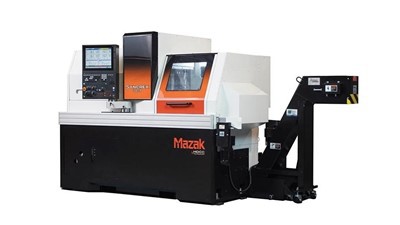
At the end of the day, the food industry is always looking for ways to do more with less, while keeping people safe and product good. Multi-tasking machines aren’t a silver bullet, but they’re a tool that works when used right. And for too long, people in food processing have written off tech because it doesn’t work for their specific needs, but that’s changing now. We’re building these machines to fit food, not the other way around, and that’s why they’re sticking around. If you’re curious about whether they could help your plant, don’t hesitate to reach out for a no-obligation chat. I’m here to help, not just sell.
Measuring Machine References:
- U.S. Food and Drug Administration. (2023). Food Safety Modernization Act (FSMA) for Food Processing Facilities. Retrieved from FDA.gov
- National Restaurant Association. (2022). Food Processing Labor Shortage Report: Workforce Trends and Solutions
- Journal of Food Engineering. (2021). Multi-functional Processing Equipment for Reducing Cross-Contamination in Fresh Produce Lines. Volume 209, Article 110687
- Food Safety and Inspection Service. (2023). Preventing Allergen Cross-Contact in Food Processing Operations. FSIS USDA Report
Hermens Industrial Co., Ltd.
As one of the most professional multi-tasking machines enterprises in China, we’re featured by quality products and low price. Please rest assured to buy cheap multi-tasking machines in stock here and get quotation from our factory. We also accept customized orders.
Address: 9/59 Moo 14, Rachathewa , Bang Phli , Samut Prakan Province 10540
E-mail: liu_jincheng@hzhemen.com
WebSite: https://www.hermensindustrial.com/
