If you’ve ever stared into your freezer at a bag of frozen wild mushrooms and wondered how to turn them into a side that elevates a simple steak dinner instead of just being an afterthought, you’re not alone. For years, I’ve heard home cooks and even some small restaurant chefs fumble with frozen wild mushrooms: they thaw them too fast, boil them into a soggy mess, or sauté them so long they turn into flavorless leather. As someone who’s spent the last decade running a small, family-owned business that sources and distributes frozen wild mushrooms (the real kind, not the pale, tasteless cultivated ones), I’ve tested every method under the sun to get that deep, earthy, meaty kick wild mushrooms are supposed to bring—paired perfectly with a steak, whether it’s a ribeye, filet mignon, or hanger. Frozen Wild Mushrooms
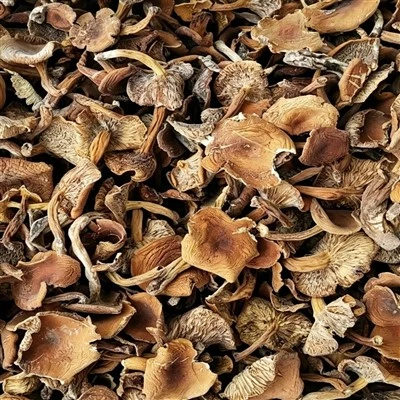
First, let’s get one thing straight: frozen wild mushrooms are not the same as fresh, and that’s not a bad thing. When we harvest our mushrooms (chanterelles, morels, porcini, and oyster mushrooms, all foraged from Pacific Northwest old-growth forests) and freeze them within two hours of picking, we lock in that raw, umami-rich flavor way better than most fresh mushrooms sold in grocery stores—many of which are shipped across the country and sit in cold storage for a week before you buy them. The problem is, most home cooks treat frozen wild mushrooms like a frozen veggie that just needs to be thawed and cooked, which wastes that concentrated flavor. The key is to work with their frozen texture, not against it. Thawing them slowly, in a way that doesn’t leach out moisture, is the foundation here.
I used to make the mistake of dumping a bag of frozen mushrooms into a hot pan to thaw, only to stand there watching them bleed into a puddle of gray, murky water while they steamed instead of browned. Steaks need sides that hold their own—no soggy, watery mushrooms that will dilute your pan-seared steak’s rich, beefy juices. The right prep and cook method delivers mushrooms that are crispy at the edges, deep in umami, and cut with a subtle, foresty sweetness that doesn’t overpower the steak.
Let’s start with prep, the part most people skip. First, you don’t need to thaw your frozen wild mushrooms. Really. Thawing them beforehand is what releases all that excess moisture, and you want to keep that moisture inside the mushrooms’ cell walls to build flavor. If your mushrooms have any big clusters of ice stuck together, you can gently break them apart with your fingers while they’re still frozen—no need to run them under water, which will wash away dirt and flavor (we hand-clean every mushroom before freezing, so there’s zero grit, just a quick rinse if you notice a stray leaf, but even that’s unnecessary).
Next, your pan is non-negotiable for good frozen wild mushrooms with steak. I always reach for a cast-iron skillet—its thick, heavy base gets hot enough to sear the mushrooms instead of steaming them, and it holds heat evenly, so you don’t end up with burnt edges and undercooked centers. If you don’t have cast iron, a stainless steel heavy-bottomed pan works, but skip non-stick; you want the high heat that non-stick can’t handle without releasing fumes or ruining the coating. For fat, I use a mix of unsalted butter and a high-smoke-point oil like avocado oil or grapeseed oil. Butter adds that nutty, richness that pairs so well with steak, and the oil prevents the butter from burning when you crank the heat. A 50/50 mix is perfect, no more, no less.
Now, the cook method, step by step, which I’ve tweaked over hundreds of test runs for both home and restaurant menus. First, crank your stovetop to medium-high heat, let the pan sit for 3 full minutes—don’t rush this. You want it hot enough that a drop of water dances and evaporates within 1 second. Add your fat: 2 tablespoons total per 8 ounces of frozen wild mushrooms (a standard side for two people with one steak each). Swirl the pan to coat the bottom, then add your frozen mushrooms in a single layer. Don’t crowd the pan. If your pan is small, cook in batches. Crowding means the mushrooms will steam instead of searing, and that’s how you get watery, bland mushrooms.
Let the frozen mushrooms sit, untouched, for 4 minutes. That’s not a typo. Letting them rest gives the bottom layer a chance to brown—this is where all that deep, meaty flavor comes from. You’ll see the edges start to turn golden, and the water will start to release, but don’t stir yet. After 4 minutes, use a wooden spoon or tongs to flip them. Now, stir gently to separate them, and let them cook for another 3 minutes. You’ll notice the water is starting to reduce, and the mushrooms are shrinking a little (that’s normal, frozen mushrooms lose moisture as they cook, it’s not a sign of being overcooked).
Here’s the secret to making them taste like they belong with steak: add your aromatics at the right time. Too early, and they’ll burn; too late, and they won’t infuse. After the first 7 minutes of cooking, when most of the excess water has evaporated, toss in 2 minced garlic cloves, a sprig of fresh thyme, and a sprig of fresh rosemary (avoid dried herbs here—fresh has that bright, piney note that cuts through both mushroom and steak flavor). If you want to add a little depth, a splash of dry white wine or a splash of balsamic vinegar works too—add 2 tablespoons after the garlic, and let it cook for 1 minute to burn off the alcohol. You don’t want the wine to taste like wine, just a subtle background.
Now, season. Wait until the end to add salt. Salting mushrooms too early draws out moisture, which is the opposite of what we want here. After the wine has reduced, remove the herb sprigs, season with a pinch of flaky sea salt and a crack of black pepper, then toss once more. If your steak is done resting and ready to serve, the mushrooms are done too—letting them sit will make them soggy. The total cook time for 8 ounces of frozen wild mushrooms is about 8–10 minutes, which is exactly the time it takes a medium-rare steak to rest after cooking. That’s the perfect sync: you finish the mushrooms right as you’re ready to plate.
Wait, what about morels or larger mushrooms? If you’re using bigger frozen wild mushrooms, like whole morels, you can slice them in half lengthwise while they’re still frozen before cooking, which gives them more surface area to brown. Same with porcini caps—slice them into 1/2-inch strips so they cook evenly. Smaller mushrooms, like chanterelles or oyster mushrooms, can stay whole or torn into smaller pieces, as long as they’re not too crowded.
I’ve tried every variation: adding cream, making a sauce, even mixing with onions. But the best side for a steak is simple—let the wild mushrooms’ own flavor shine, not hide it under extra ingredients. A buddy of mine who’s a head chef at a steakhouse in Portland told me he switched from fresh to frozen wild mushrooms 5 years ago, and his regulars won’t order anything else. He says the frozen ones have a consistency fresh can’t match: tender but with a bite, and that umami that makes a steak taste even more satisfying. That’s the thing about good frozen wild mushrooms—when you cook them right, they taste like you spent hours foraging and prepping, not just dumped a bag into a pan.
Let’s talk about common mistakes to avoid, because even the best mushrooms can go wrong. First, thawing. If you thaw mushrooms in the fridge overnight, they’ll get mushy and release all their flavor when you cook them. If you thaw them in the microwave, you’ll get rubbery, uneven texture. Skip thawing. Second, low heat. If you cook frozen mushrooms on low to medium, they’ll steam, and you’ll end up with a puddle of water and no browned edges. Medium-high is key for searing, not steaming. Third, salting too early. I learned this the hard way when I first started in the business—we tried salting mushrooms before cooking, and the flavor was flat, like they were boiled. Wait until the end.
Another trick: if you want to pair the mushrooms with a ribeye, a little knob of blue cheese crumbled on top right before serving adds that sharp, creamy bite that cuts through the richness of both the steak and the mushrooms. For a filet mignon, which is milder, a drizzle of truffle oil (just a tiny amount, a teaspoon at most) elevates the foresty flavor without being overwhelming. For a hanger steak, which is a bit chewier, a sprinkle of smoked paprika gives the mushrooms a subtle smokiness that matches the steak’s char.
I get a lot of questions from home cooks: can I use frozen cultivated mushrooms? Sure, but they don’t have the same depth as wild ones. The ones we sell are foraged, so they have that unique, earthy flavor that cultivated button or cremini mushrooms can’t replicate. When you freeze them right after harvesting, they retain more of the amino acids that give mushrooms their umami, so you don’t need a lot of extra seasoning to make them taste good with steak.
One last thing: if you’re cooking for a crowd, you can prep the mushrooms in advance—keep them frozen in the bag, and cook in batches so you don’t crowd the pan. Steaks take about the same time to cook as mushrooms, so you can time them perfectly: start the mushrooms when you put the steak in the oven or on the grill, and they’ll be done right as the steak is resting. That way, everything is hot and ready at the same time, no cold sides waiting for a steak to finish.
If you’ve been buying frozen wild mushrooms from the grocery store and getting mediocre results, it’s not your fault—it’s the thaw-and-boil method most people teach. Our method works because it works with the frozen texture, not against it. The end result is a side that’s not an afterthought, but a complement to a good steak: crispy edges, deep foresty flavor, and just enough richness to match the beef.
If you’re a home cook looking to upgrade your steak night, or a small restaurant chef wanting to switch to a consistent, high-quality frozen wild mushroom supplier, we’re here to help. We work with both home cooks who want great product for family dinners and restaurants that need reliable, foraged mushrooms for their menus. Our mushrooms are sustainably harvested, no additives, no preservatives—just pure, frozen wild mushrooms from the Pacific Northwest.
Dried Morel Mushroom References
Peñuelas, J., et al. (2007). Bioactive compounds in wild mushrooms: A review. Food Chemistry, 105(4), 1165–1180.
Royse, D. J. (2014). Mushroom production: Current status and future prospects. In Mushrooms: Cultivation, Nutritional Value, Medicinal Effect, and Environmental Impact (3rd ed., pp. 1–22). CRC Press.
Zhang, Y., et al. (2019). Effect of freezing methods on texture and flavor of wild mushrooms. Journal of Food Science and Technology, 56(12), 5342–5350.
Qingyuan Manchu Autonomous County Lichang Native Produce Co., Ltd.
We are one of the most professional frozen wild mushrooms manufacturers and suppliers in China, featured by quality products and good price. Please rest assured to wholesale bulk frozen wild mushrooms for sale here from our factory. Welcome to view our website for more information.
Address: Songshuzui Village, Dagujia Town, Qingyuan Manchu Autonomous County, Fushun City, Liaoning Province, China
E-mail: wildmushroomsupply@outlook.com
WebSite: https://www.wildmushroomsupply.com/
