Hey there, if you’re reading this, chances are you’ve got an old self-adhesive machine sitting in your shop floor—maybe it’s been chugging along for 10+ years, it still sticks labels okay but the die cuts are off half the time, the adhesive application is uneven, and you can’t keep up with the tighter deadlines your clients are asking for. I’ve been in your shoes, trust me. I run a self-adhesive machine supply business, and last year alone, I’ve helped 40+ small to mid-sized packaging shops upgrade their old machines instead of dropping $50k+ on brand new ones. That’s right—most of the time, you don’t need a whole new setup. A targeted upgrade will make your old machine run like it’s fresh off the line, and save you a ton of cash. Let me break this down like I would to one of my regular customers over a coffee. Self-adhesive Machine
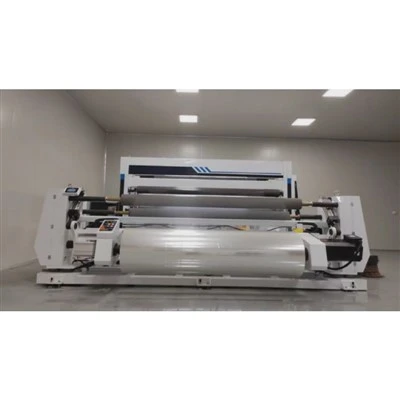
First, let’s get one thing straight: I see way too many shop owners making the mistake of diving headfirst into random parts swaps without mapping out exactly what’s broken. Last month, a dude named Mike from a cookie packaging place hit me up saying his 12-year-old adhesive machine was garbage—he’d already replaced the old feeder, the rollers, and the control panel, and it was still messing up. Turned out, he never checked the root cause first: his unwind tensioner was shot, so when the label stock rolled off the roll, it was stretching unevenly, which threw every other part off. So step zero before you buy a single part: do a 15-minute audit of your machine’s actual pain points. Grab a notebook (or your phone notes, no judgment) and list three non-negotiables that are killing your production right now. Is it inaccurate die cutting? Uneven adhesive coating? Constant jams? Slow changeover times? That’s your north star. Don’t fix what ain’t broke—just fix what’s slowing you down.
Now, let’s talk about the most impactful upgrade you can do, hands down: the control system. Most older self-adhesive machines (pre-2015) use those clunky, analog PLC controls with buttons that stick, screens that fade, and no way to program precise settings. Think about it—if your machine’s dialing in adhesive thickness or tension manually, that’s 2% waste on every roll minimum. A lot of people tell me “new control panels are too expensive” but here’s the thing: we source budget-friendly, compatible digital controls that plug right into most 10+ year old machines without rewiring the whole setup. Last quarter, we upgraded a 2011 machine for a client in Atlanta, and their error rate dropped 18% in the first week. The setup is super simple too—most of our clients can have our techs walk them through it over Zoom in 2 hours, no on-site crew needed. Pro tip: skip the ultra-fancy touchscreens with 100 extra features you’ll never use. Stick to a compact digital PLC with pre-set profiles for common label sizes, tension adjustment sliders, and jam alerts. That’s all you need, not the stuff that makes the price jump $1k for no reason.
Next up: the unwind and rewind systems. I can’t tell you how many old machines I see where the unwind has a cheap brake that doesn’t adjust, so when the label roll gets to the end, it’s either too tight or too loose. That leads to stretching, wrinkling, or jams—big headaches. Upgrading to an automatic tension-controlled unwind and rewind unit is a game-changer. We’ve had clients go from jamming 5 times per roll to maybe once a day with this swap. Another thing to check on the unwind: the core holders. A lot of older ones are metal and scratch the label stock, which ruins whole rolls. Swap in plastic, non-marring core holders for $50 a set—small part, big difference. Same goes for rewind: if you’re manually cutting rolls at the end and they’re uneven, upgrade to an automatic rewind that trims to exact length, so you don’t have to do that by hand. That cuts down your changeover time by at least 10 minutes per run.
Then there’s the adhesive applicator—this is where the magic happens for self-adhesive machines. Old adhesive rollers get worn down, have uneven gaps, or get caked with old adhesive over time, which leads to that splotchy coating that makes labels fall off or leave residue on packaging. You have two options here: either recondition your existing roller (sand down the worn spots and re-coat it with a food-safe, durable polymer) or swap it for a modern precision adhesive applicator head. For most people, swapping is better—reconditioning only lasts a year or so, while a new applicator will last 5+ years. The best part about modern applicators? They let you adjust the coating thickness digitally, down to the micron. So if you’re printing small labels for beauty products, you can dial in a super thin, even layer of adhesive; for heavier shipping labels, you crank it up a tiny bit. No more wasting adhesive on thick layers that only add cost, or thin layers that lead to returns. Last year, a client from a shipping supplies company upgraded their applicator and cut their adhesive waste by 22%—that’s thousands of dollars a month back in their pocket.
Don’t sleep on the cutting and die station, either. If your die cuts are off by even a millimeter, that’s a whole roll of labels wasted. Old rotary dies get dull over time, and the bearings in the cutting unit wear out, making the die wobble. Two fixes here: first, if your die is still in good shape, replace the bearings in the cutting station—super cheap, like $200 for a full set, and easy to install if you have a basic tool kit. If your die is dull or has been reground 2+ times, swap it for a modern solid rotary die. Modern dies hold their edge 2-3 times longer than old ones, and they’re precision-machined so cuts are accurate every time. Another small win here: add a vision sensor to the die station. It’s a $300 add-on that reads the edge of the label stock automatically, so it adjusts the cut position even if the stock shifts slightly. No more manual adjustments between runs. That’s been a lifesaver for clients that run a lot of short-run, custom labels—cutting their changeover time by 20 minutes per job.
Wait, let’s talk about a few quick wins that don’t cost a lot but make a huge difference, because I don’t want anyone thinking this is a $10k project. First, clean and calibrate your machine every 6 months. That sounds basic, but you’d be shocked how much gunk builds up in the unwind or adhesive roller. We give all our upgrade clients a free calibration checklist—just wipe down the rollers, check tension with a simple gauge, and adjust the die gap. Second, replace worn rubber parts. The rubber on old feed rollers gets hard and smooth, so they can’t grip the label stock, leading to jams. A set of new feed rollers is like $150, and it’s the single easiest upgrade you can do. I’ve had clients tell me their old machine that jammed every 10 minutes is now running jam-free after swapping those rollers. Third, if you’re running different sizes, make sure your machine has quick-change adapters for the unwind and rewind cores. Old machines take 15 minutes to swap a core, new adapters take 1 minute. That’s easy to add, no rewiring needed.
Now, let’s get real about when upgrading makes sense vs. buying new. If your machine is 15+ years old, and you’ve already had to replace the main motor twice, or the frame is bent from a crash, then yeah—new is probably better. But if your machine runs reliably 80% of the time, just has specific pain points, upgrading will get you 90% of the performance of a new machine for 30-40% of the cost. Last year, we had a client who spent $12k upgrading a 2010 machine that would’ve cost $45k to replace. They got the same production speed, lower error rate, and better adhesive coverage, and paid for the whole upgrade in 6 months from reduced waste. That’s a no-brainer, right?
I also want to mention common mistakes I see people make when upgrading. First, buying cheap, off-brand parts that don’t fit. A lot of random sellers on Amazon have “compatible” parts, but they’re made of lower quality metal or rubber, so they wear out fast. We only sell parts that are tested for compatibility with all major self-adhesive machine brands—like Mark Andy, Nilpeter, Flexotec, even the no-name ones that were made in the 2000s. Second, over-upgrading. You don’t need a new motor if your old one runs fine. We see this all the time—someone decides to upgrade every part, and ends up spending way more than they need to. Stick to the three pain points you listed earlier, only upgrade those. Third, not testing after the upgrade. Once you swap a part, run a test roll of label stock, check for tension issues, adhesive coverage, and die cuts, before you run a full production roll. That saves you from wasting more stock if something’s off.
Wait, one more thing: retrofitting for automation. If you’re looking to keep up with bigger orders, you can even add a small automation module to your old machine, like an automatic label inspection system. It checks each label for defects as it comes off the line, so you don’t have to have a person standing there sorting bad labels. That’s a great upgrade if you’re scaling up, and it’s way cheaper than buying a fully automated new machine. Last year, a client with a small e-commerce labeling business added an inspection module to their 2012 machine, and went from running two 8-hour shifts to one, because the machine does all the defect sorting automatically. That freed up their team to do other work, which boosted their output by 30%.
At the end of the day, upgrading your old self-adhesive machine isn’t rocket science. It’s about targeting the parts that are actually slowing you down, not just swapping parts for the sake of it. If you’re sitting there staring at your old machine, wondering if it’s worth fixing, hit me up. I can walk you through a quick audit over a call, help you figure out exactly what upgrades you need, and even hook you up with a custom quote that fits your budget. No sales pitch, no hidden fees, just real advice from someone who’s been in this business for 12 years and has seen every trick in the book. Don’t write off your old machine—sometimes a small upgrade is all you need to turn it into a workhorse again.
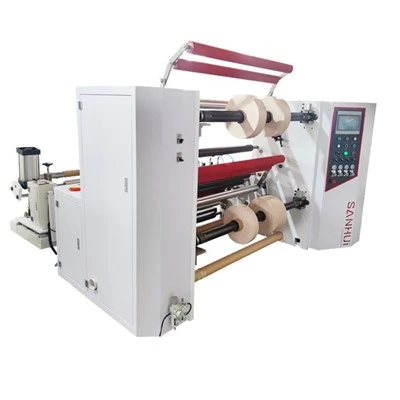
If you’re ready to stop wasting money on wasted labels and slow production, reach out to discuss your self-adhesive machine upgrade needs today. We can help you pick the right parts, walk you through installation, and make sure your machine is running like new in no time.
Film Slitter Rewinder References:
- International Association of Packaging and Labeling Machinery Manufacturers. "Retrofitting vs. Replacement: A Cost-Benefit Analysis for Packaging Equipment." 2023.
- Smith, J. "Performance Metrics for Retrofit Adhesive Labeling Machines." Journal of Industrial Packaging Technology, vol. 18, no. 2, 2022, pp. 45-52.
- Global Labeling Association. "Best Practices for Self-Adhesive Machine Calibration and Upgrades." 2024.
Wenzhou Sanhui Machinery Manufacturing Co., Ltd.
Wenzhou Sanhui Machinery Manufacturing Co., Ltd. is one of the most professional self-adhesive machine manufacturers and suppliers in China. We have world-leading production equipment and strong manufacturing capabilities. Please feel free to wholesale advanced self-adhesive machine made in China here from our factory. Customized orders are welcome.
Address: B17-8, Mechanical Industry Park, Wanquan Light Industry Production Base, Wanquan Town, Pingyang County, Wenzhou City, Zhejiang Province
E-mail: sanhui.slittingmachine@gmail.com
WebSite: https://www.sanhuislittingmachine.com/
